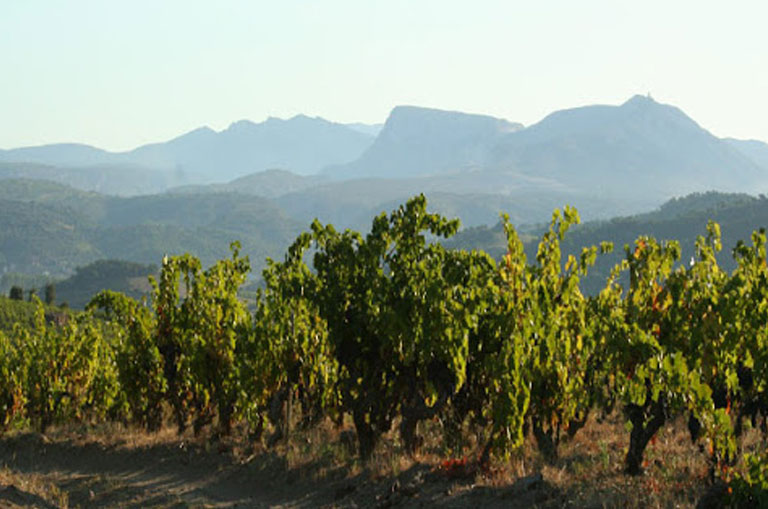
Also known as the “hidden corner of France, ” the Southwest region is located between the Pyrenees and Spain in the South, Bordeaux in the North and the Atlantic Ocean in the West, and is France’s 5th largest wine region at 120,000 acres.
The vineyards of France’s southwest cover 12 districts, from the Massif Central plateau to the hills of Gasconnes and the Pyrenees mountains, particularly in the Occitanie region. Take the southwest wine route through changing landscapes and discover some wonderful destinations, including; Toulouse, Cahors, Auch, Albi, and the Saint-Jacques-de-Compostelle pilgrims’ trail.
The southwest is divided into four main “sub-regions”, each with its character, climate and grapes: the Bergerac River and the Dordogne, the Garonne and the Tarn, the Lot River and the Pyrenees. Within each of these regions, you can find communal and village appellations that all comply with strict rules concerning the cultivation of grapes and the production of wine.
- Bergerac & Dordogne River: Located just south of Bordeaux, the vineyards of this region lie along the Dordogne River, the same river that flows through Bordeaux. As such, they share the same Atlantic influence on their climate, although temperatures are slightly warmer. The growers in this region use similar grape varieties to make dry reds, whites and rosés, and sweet dessert styles.
- Garonne & Tarn: Named after two major rivers, this region reaches a little further east, towards France’s fourth-largest city, Toulouse. The climate is somewhat varied, with the western portion influenced by the Atlantic, while the Mediterranean climate holds more influence in the eastern environs with less rain and slightly higher temperatures. As far as grapes go, you’ll find the same varieties as in Bergerac & Dordogne.
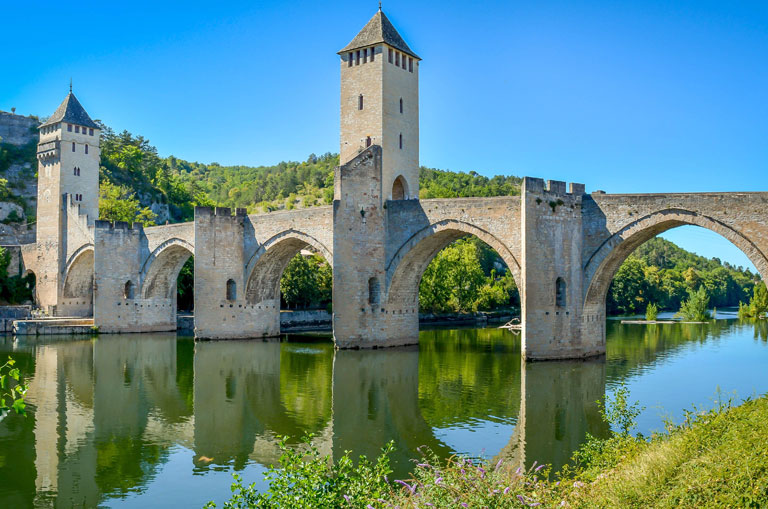
- Lot River: The Lot River Region is influenced by the Atlantic and Mediterranean climates and grows the grape varieties used in the Garonne & Tarn. Cahors is the most famous of the sub-regions and home to the popular variety Malbec. These inky wines have been adored for centuries, especially by the royal houses of England and Russia.
- Pyrénées: Named after the rugged mountain range that divides France and Spain, the wines from the Pyrénées are rustic and artisanal, crafted from the indigenous Tannat grape variety.
South-West Traditions
The South-West Wine Region is home to several ancient winemaking traditions, some dating back to the Roman era. For example, the Jurançon wines, which are made in the Pyrenees Mountains, have been famous for centuries and were even served to Louis XIV. The region is also known for its fortified wines, such as Madiran and Cahors, which have been produced for hundreds of years.
Exploring the Wine Trails of South-West Vineyards
The South-West Wine Region is a great destination for wine enthusiasts who enjoy exploring wine trails. Visitors can choose from various trails, including the Cahors Malbec Trail, which takes visitors through the vineyards of the Lot Valley, or the Gascony Wine Trail, which passes through the vineyards of Armagnac and the fortified town of Condom.
- Gallic Wine Route: Gaillac is a historical wine-growing region located northeast of Toulouse in southwest France. It is one of the oldest wine-growing areas in France, established in Roman times or even earlier. The region produces a wide variety of wines to this day and continues to grow thanks to the region’s flourishing agriculture.
- Madiran Wine Route: The Madiran Wine Route is a must when talking about the wines of the South West. The Madiran vineyard is located in the Hautes-Pyrénées region between seas and mountains. It comprises a small commune of a few hundred inhabitants that gives its name to the famous wine.
- Madiran wines are exclusively red and primarily known to pilgrims on the road to Santiago de Compostela. However, the grape varieties used to produce this wine (Tannat, Cabernet franc, Cabernet sauvignon…) give powerful wines when the ageing is long enough and supple, fresh and fruity wines when the vatting period is shorter.
- Jurançon Wine Route: The Jurançon vineyard provides as much pleasure in the mouth as it does visually. It is idyllic and nestled in a green and sunny setting, surrounded by the terraces of the Château de Pau and the Pyrenean ranges. Three climates clash in the Jurançon vineyard and make it unique. The wines of the Jurançon facing south or southwest are influenced by the mountains, the ocean and the foehn, a dry and warm wind that usually blows in autumn and late winter. Gros Manseng and Petit Manseng are the main grape varieties used in the Jurançon region. The dry Jurançons are round and long on the palate, whereas the sweet jurançons are round, sweet and with a hint of acidity.
South-West Wine Tours and Experiences
There are a variety of wine tours and experiences available in the South-West Wine Region, including private tours of vineyards and wineries, tastings, and workshops on winemaking techniques. Visitors can also participate in the grape harvest in September and October, a unique experience that provides insight into the traditional winemaking process.
South-West Vineyards and Cellars to Visit
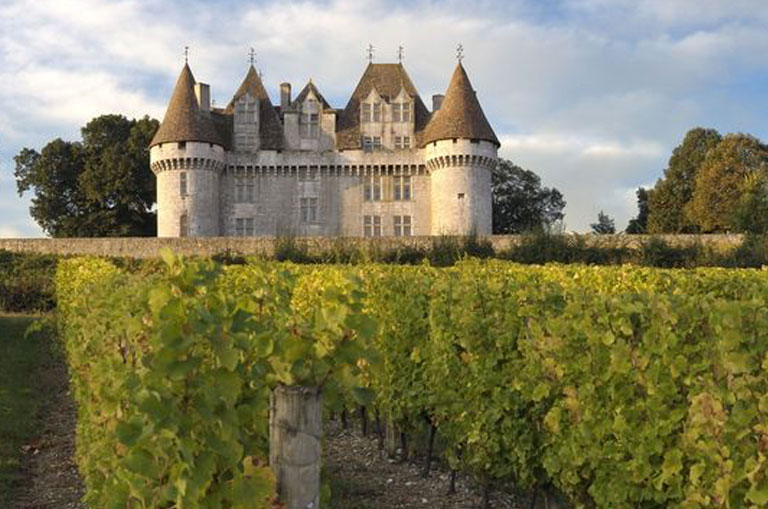
The South-West Wine Region has many vineyards and cellars that are open to visitors. In the Gascony area, Château Monluc is a popular destination for wine enthusiasts, while the Château de Monbazillac is a must-visit for those interested in sweet wines. The Cahors area is home to the Château de Haute-Serre, which offers guided tours and tastings.
Pairing South-West Wines with Regional Cuisine
The South-West Wine Region is famous for its gastronomy, which includes dishes such as foie gras, confit de canard, and cassoulet. These dishes pair well with the region’s wines, which are typically robust and full-bodied. For example, Cahors wines are often paired with hearty meat dishes, while Jurançon wines are perfect with cheese or dessert.
Visiting the South-West Vineyards
In conclusion, the South-West Wine Region of France offers a unique experience for wine lovers, with its diverse grape varieties, ancient traditions, and gastronomy. From exploring the wine trails to participating in the grape harvest and tasting the region’s wines, visitors will surely have an unforgettable experience in this charming and historic part of France.