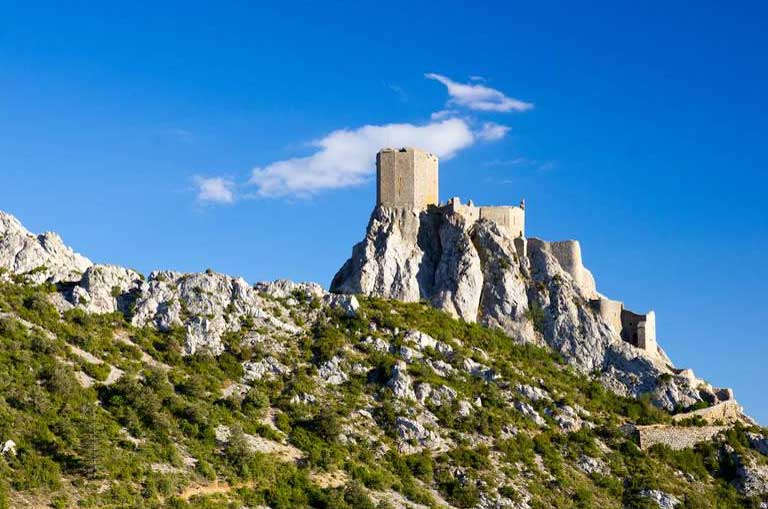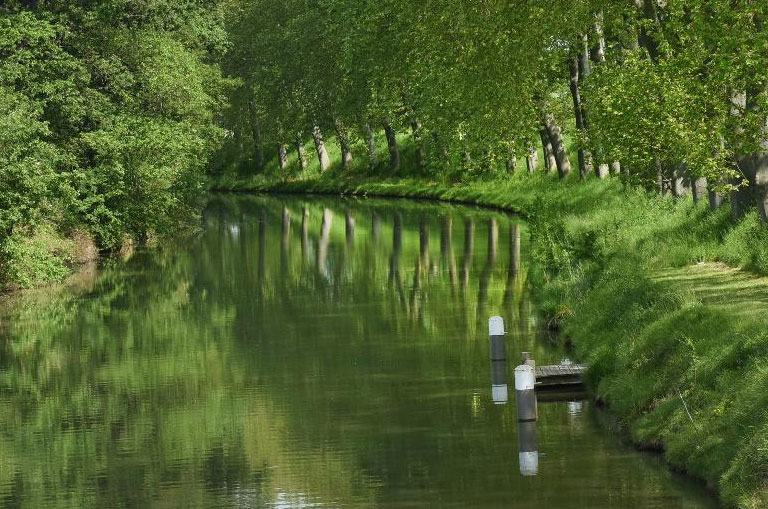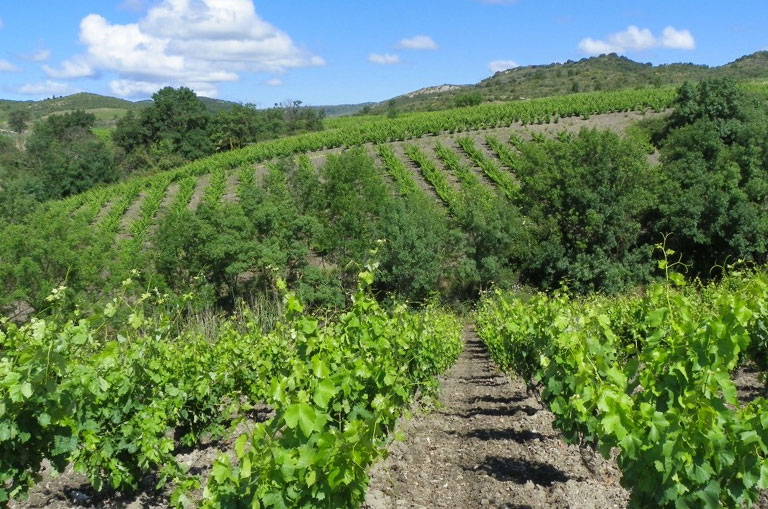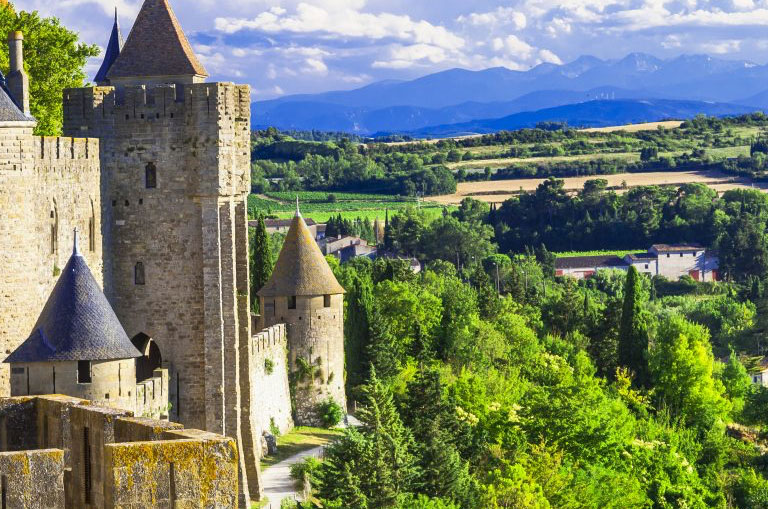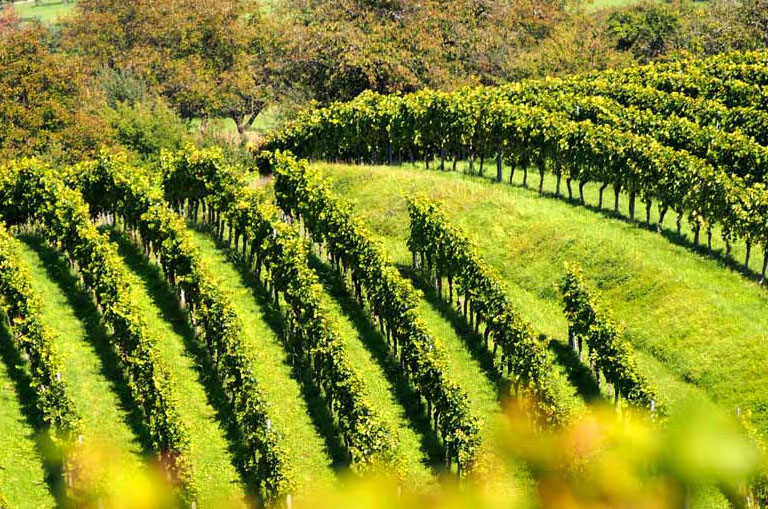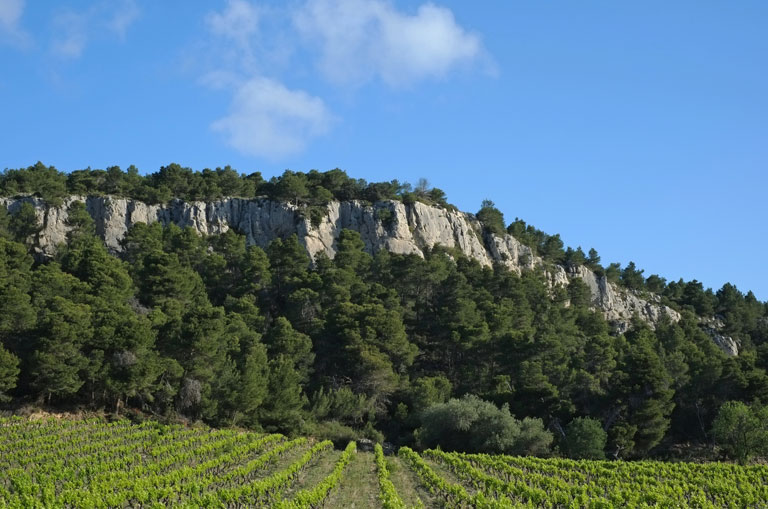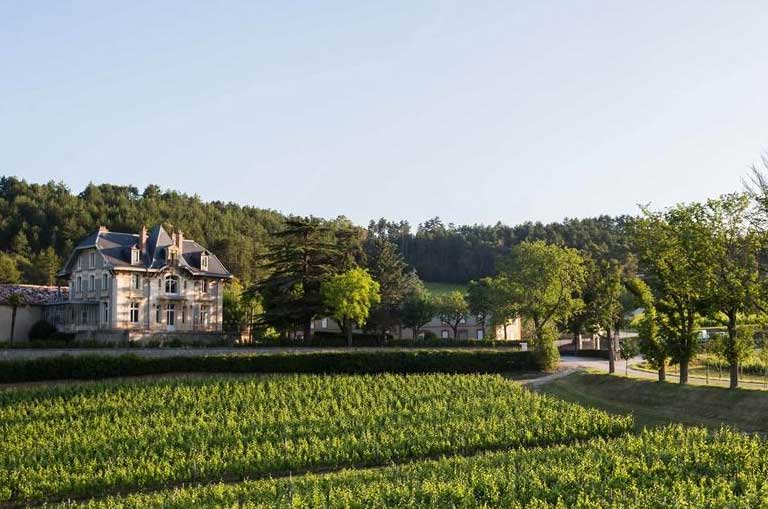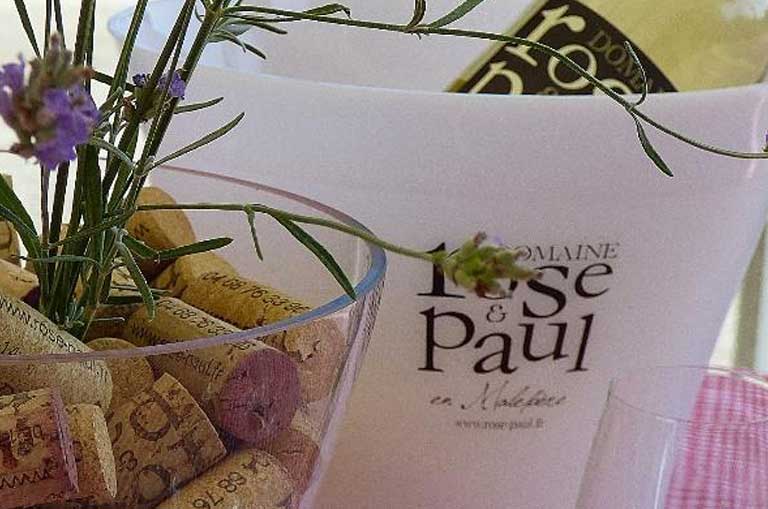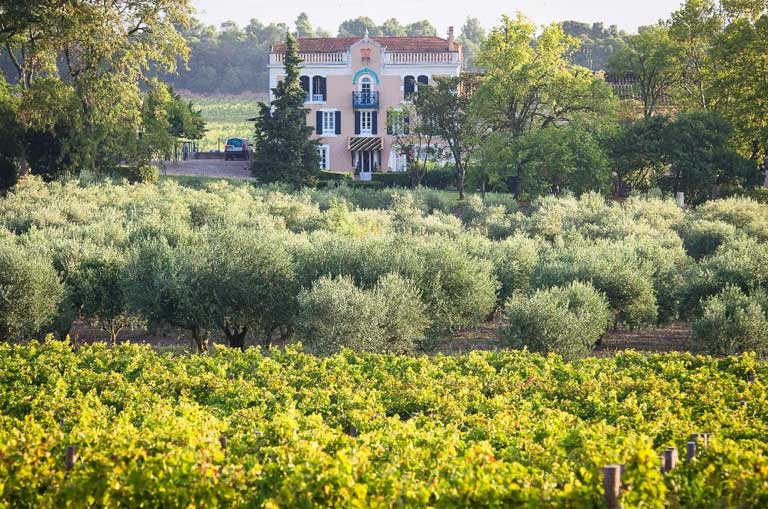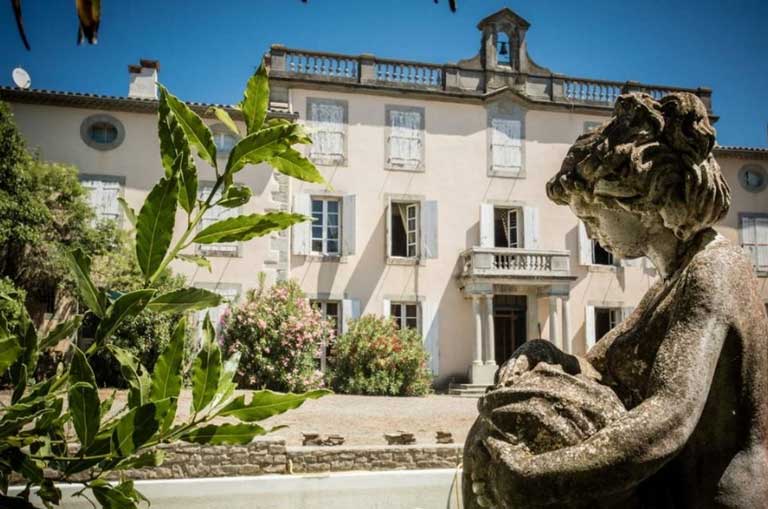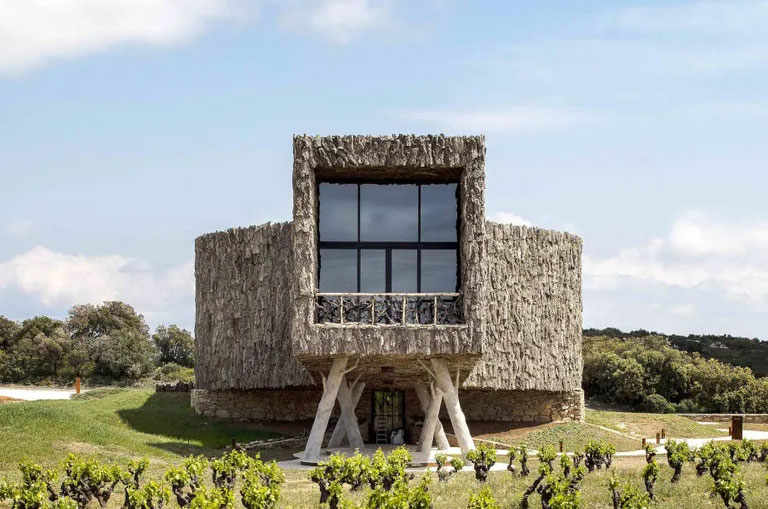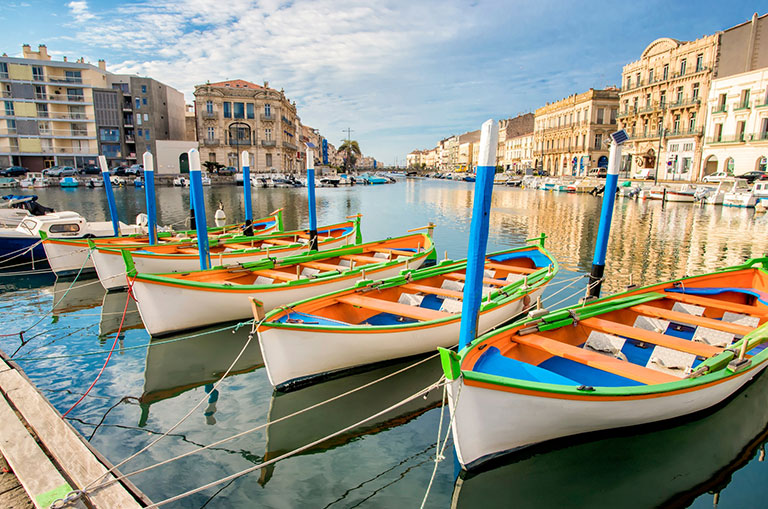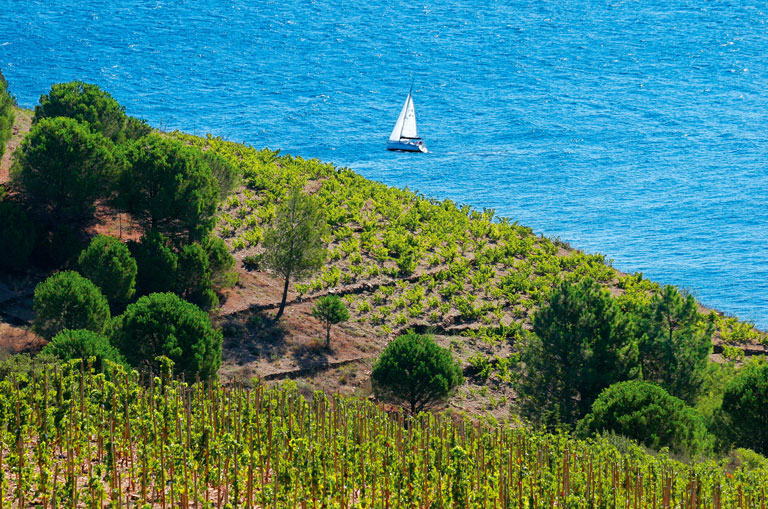
While less famous for its wine than Burgundy or Provence, Occitanie is France’s largest wine producer. Traditionally, it was known for producing some of the country’s most affordable wines, catering primarily to bulk production. However, in recent decades, winemakers in Occitanie have shifted their focus from quantity to quality. This concerted effort has led to the emergence of exceptional vintages that rival some of the finest wines in the world. Today, you can discover a diverse array of styles, from robust reds to crisp whites and elegant rosés, each reflecting the unique terroir and passion of the region’s winemakers. As a result, Occitanie is becoming increasingly recognised for its high-quality wines, offering a delightful experience for wine enthusiasts and connoisseurs alike.
Introduction to the Languedoc-Roussillon Vineyards
The Languedoc-Roussillon region is located in the south of France and is known for its picturesque landscape, rich history, and delicious wines. This region has a long history of wine production, dating back to Roman times. Today, it is the largest wine-producing region in the world, producing around one-third of France’s total wine production. The wines of Languedoc-Roussillon are diverse, ranging from red, white, and rosé wines to sparkling and fortified wines. The region’s sunny Mediterranean climate, varied terroirs, and grape varieties contribute to the wide range of wine styles.
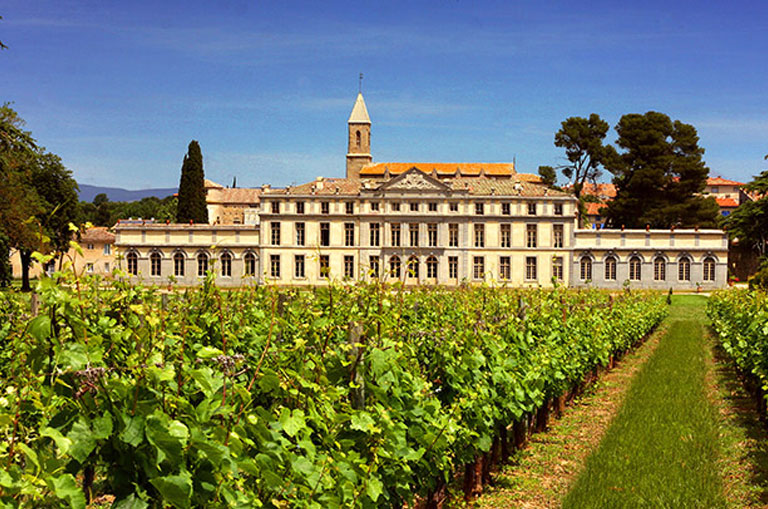
One of the most interesting facts about the region is that sparkling wine was created here, in 1531, by monks at the Abbaye de Saint-Hilaire; 150 years later, the Benedictine monk Dom Pérignon travelled through and later introduced the wine to the province that now made it famous, Champagne.
The vineyards can be roughly divided into four areas:
- Around Montpellier (Hérault), the Grenache grape is the most common, and Syrah is well underway. Here you’ll find Vin de Pays Coteaux du Languedoc wines. Vin Doux Naturels be made of Muscat. The appellations are: Muscat de Lunel, Muscat de Frontignan and Muscat de Mireval.
- Around the town of Béziers (Gard), you’ll find huge vineyards supplying Vin de Pays wines. The white wines are easy to drink, fresh and a little greasy. There are two appellations: Picpoul de Pinet and Clairette du Languedoc. Robust reds can be found in Saint-Chinian and Minervois, with Roses in Faugeres. Vin Doux Naturels are made from Muscat, and Muscat de Saint-Jean-de-Minervois is the local appellation.
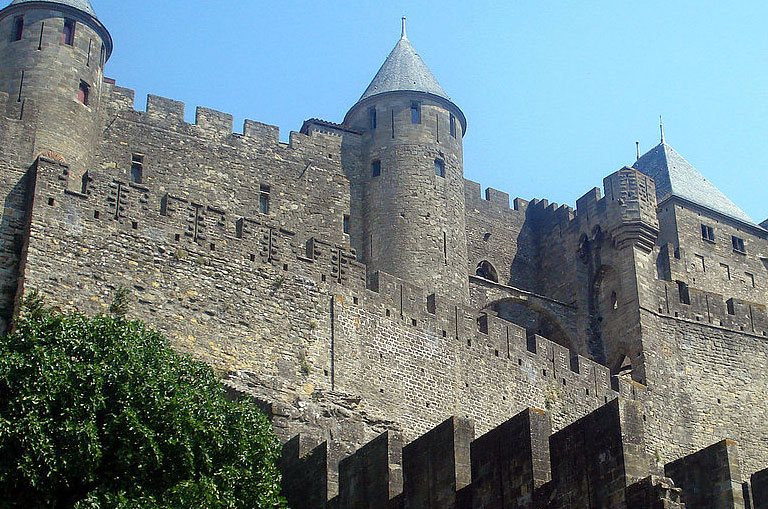
- Around Carcassonne (Aude), you’ll find the appellations Fitou, Corbières, Côtes Malepère and Limoux (sparkling wine). Vin Doux Naturels Muscat has made the local appellation Muscat de Rivesaltes.
- Around the city of Perpignan (Pyrénées Orientales), Roussillon. Under the influence of the Pyrenees, Roussillon wines differ clearly from the Languedoc. Collioure is the local appellation of Perpignan and delivers fiery reds.
Languedoc-Roussillon Traditions
Languedoc-Roussillon is known for its winemaking traditions, passed down from generation to generation. The region strongly focuses on sustainable and organic farming practices, which help maintain the quality and diversity of its wines. Some of the traditional grape varieties grown in the region include Grenache, Syrah, Mourvèdre, Carignan, and Cinsault. Languedoc-Roussillon also has a strong tradition of blending grape varieties, which allows winemakers to create unique and complex wines.
Exploring the Wine Trails of Languedoc-Roussillon
The Languedoc-Roussillon region boasts an array of wine trails that invite visitors to discover its stunning vineyards and sample its distinctive wines. Among the most popular trails are the La Clape Wine Trail, the Faugères Wine Trail, the Corbières Wine Trail, and the Minervois Wine Trail. These scenic routes provide opportunities to visit local wineries, meet passionate winemakers, and delve into the rich winemaking traditions of the area.
The Aude region’s Wine Routes stretch 200 kilometres and are divided into four distinct areas. The route starts west with the Corbières area, known for its bold red wines. Moving east, the route takes you through the Fitou area, which produces rich, full-bodied red wines. Further east, you’ll find the Minervois area, famous for its fruity, aromatic wines. The route ends in the south with the Limoux area, known for its sparkling wines.
- The Corbières Wine Routes are home to some of the most extensive vineyards in France, with more than 20,000 hectares of vines. The region produces bold and spicy red wines from a blend of grapes, including Grenache, Carignan, Syrah, and Mourvèdre.
- The Fitou Wine Routes are smaller than the Corbières but no less important in wine production. The region’s red wines are full-bodied, with a rich and complex flavour profile. The area is home to several wineries, some of which have been producing wine for generations.
- The Minervois Wine Routes are between Narbonne and Carcassonne and are known for their fruity and aromatic red wines. The region produces wines made from a blend of grapes, including Syrah, Grenache, Carignan, and Cinsault. The area is also home to some white and rosé wines.
- The Limoux area is famous for its sparkling wines, which have been produced in the region since the 16th century and is arguably the home of sparkling wine in France. The area also produces some still wines, including red, white, and rosé.
The Wine Routes in the Hérault region stretches over 150 kilometres and can be divided into several areas. The route starts west with the St Chinian area, known for its full-bodied red wines. Moving east, you’ll find the Faugères area, which produces spicy and robust red wines. Further east, you’ll discover the Terrasses du Larzac area, known for its elegant and complex wines. The route ends south with the Picpoul de Pinet area, famous for its crisp and refreshing white wines.
- The St Chinian Wine Route is one of the oldest wine-producing areas in the region and is home to more than 2,000 hectares of vines. The region produces full-bodied and spicy red wines made from a blend of grapes, including Syrah, Grenache, and Mourvèdre.
- The Faugères Wine Route is located east of St Chinian and is known for its robust and spicy red wines. The region produces wines from grapes, including Syrah, Grenache, Mourvèdre, and Carignan. The area is also home to some white wines.
- The Terrasses du Larzac Wine Route area is located north of the Hérault region and is known for its elegant and complex wines. The region produces red and white wines from grapes, including Syrah, Grenache, and Mourvèdre.
- The Picpoul de Pinet Wine Route area is located south of the Hérault region and is famous for its crisp and refreshing white wines. The region produces wines made from a grape called Picpoul, which gives the wine its distinctive taste and aroma.
The Wine Routes of the Pyrénées Orientales span over 70 kilometres and take visitors through some of the most beautiful wine-growing areas in the region. The route starts west with the Côtes du Roussillon area, known for its full-bodied red wines. Moving east, you’ll find the Banyuls area, which produces sweet and fortified wines. Further east, you’ll discover the Collioure area, known for its dry and aromatic white wines. The route ends in the south with the Côte Vermeille area, which produces light and fruity red wines.
- The Côtes du Roussillon Wine Route area is located west of the Pyrénées Orientales region and is home to over 7,000 hectares of vineyards. The area produces full-bodied and robust red wines made from a blend of grapes, including Grenache, Syrah, and Mourvèdre.
- The Banyuls Wine Route area is located east of the region and produces sweet and fortified wines. The area is home to over 1,000 hectares of vineyards, and the wines are made from a grape called Grenache.
- The Collioure Wine Route area is located in the central part of the Pyrénées Orientales region and is known for its dry and aromatic white wines. The area produces wines made from a grape called Vermentino, which gives the wine its distinctive floral and citrus aromas.
- The Côte Vermeille Wine Route area is located south of the Pyrénées Orientales region and is famous for its light and fruity red wines. The area produces wines made from a blend of grapes, including Grenache and Carignan.
Pairing Languedoc-Roussillon Wines with Regional Cuisine
The Languedoc-Roussillon region is celebrated for its bold and flavourful cuisine, which frequently features fresh seafood, hearty stews, and rich sauces. Some of the region’s popular dishes include cassoulet, bouillabaisse, and brandade de morue.
When it comes to pairing wines with regional cuisine, there are several Languedoc-Roussillon wines that complement these bold flavours. Some examples include:
- Red Wines: The full-bodied red wines of the Languedoc-Roussillon region, such as those made from Syrah or Mourvèdre grapes, pair well with hearty stews and roasted meats.
- White Wines: The crisp white wines of the region, such as those made from Picpoul or Grenache Blanc grapes, are a great match for fresh seafood dishes.
- Rosé Wines: The dry rosé wines of the Languedoc-Roussillon region, often made from Grenache or Cinsault grapes, are versatile and can pair well with various dishes.
Visiting the Languedoc-Roussillon Wine Region
Overall, the Languedoc-Roussillon region offers a rich and diverse wine culture that is sure to delight any wine lover. With its picturesque vineyards, historic estates, and bold regional cuisine, a visit to this region is a must for any wine enthusiast.