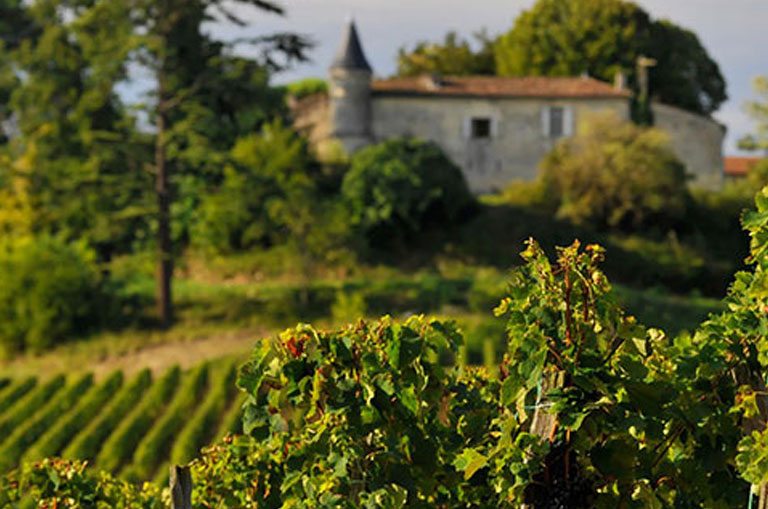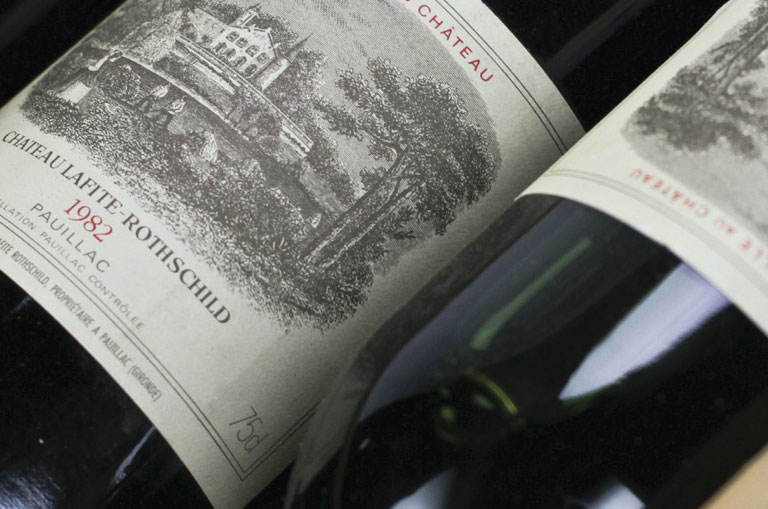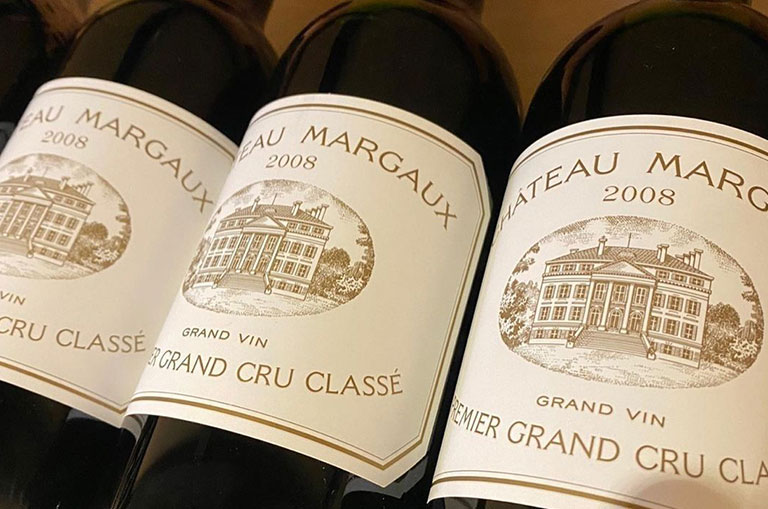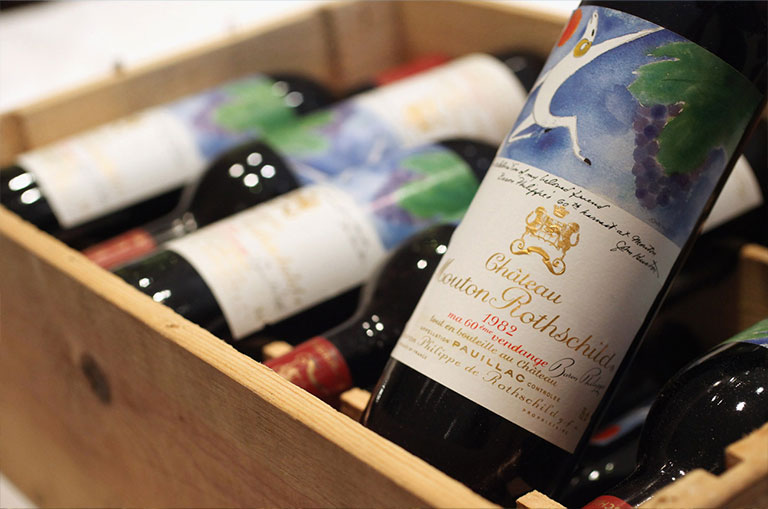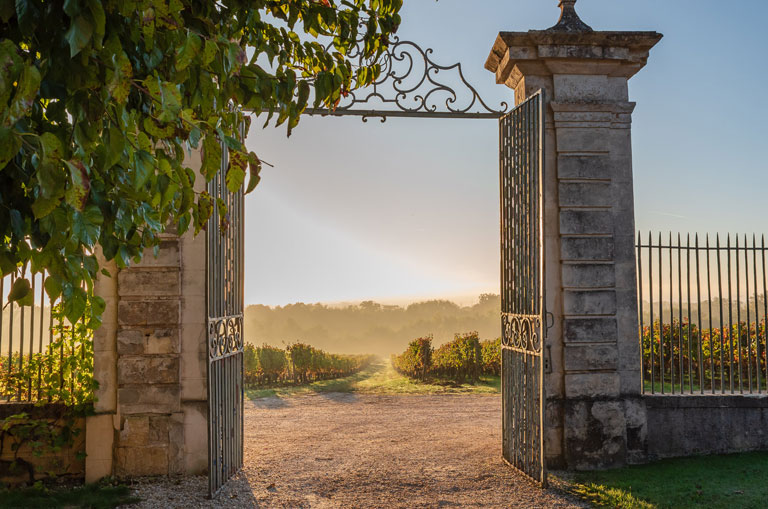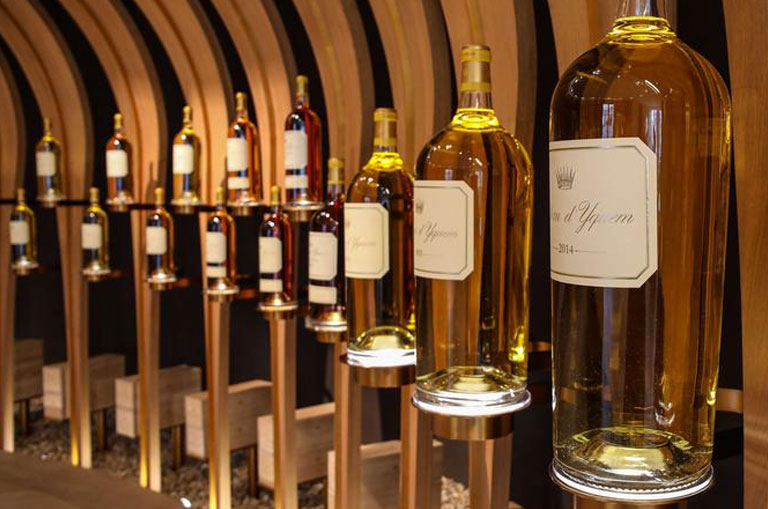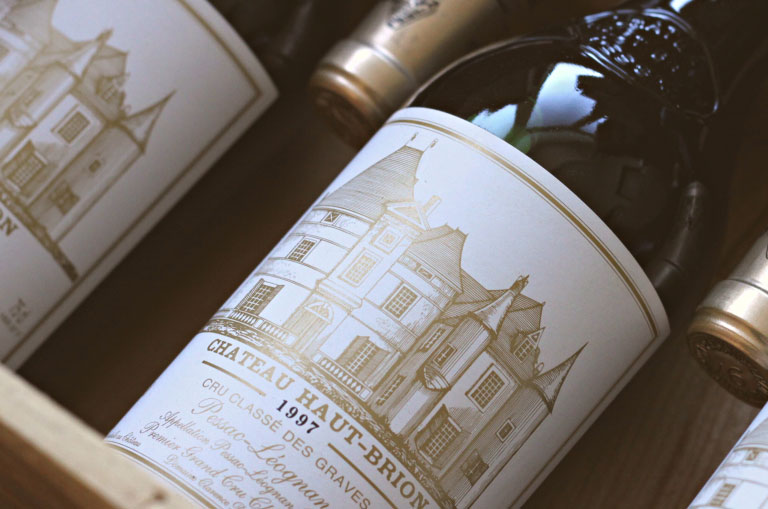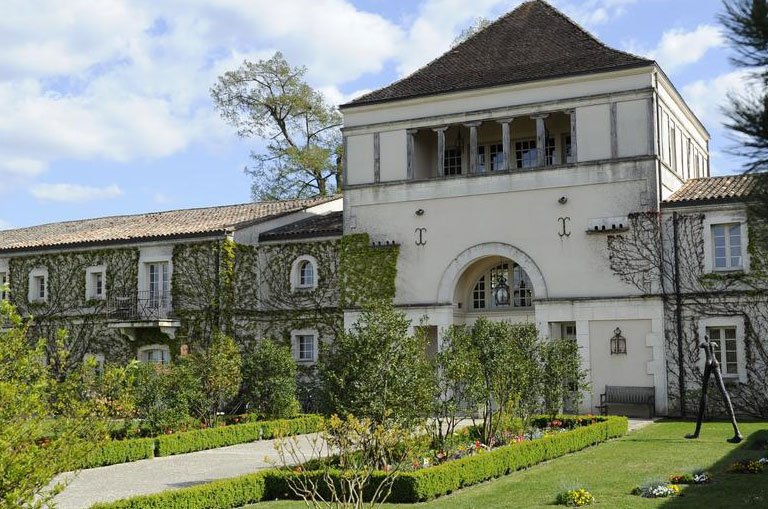
For many people, the very name Bordeaux conjures up images of grand Châteaux and equally grand wines. However, whilst wines from around the world have improved in quality over the last 20 or 30 years, it is still the top Châteaux of Bordeaux against which the very best wines are compared.
Introduction to the Bordeaux Vineyards
The Bordeaux region, located in southwestern France, is one of the most famous wine-producing regions in the world. It is home to over 7,000 vineyards and produces some of the most highly-regarded wines in the world. The region’s vineyards are on both sides of the Garonne River and cover over 120,000 hectares. Bordeaux is famous for producing red wines, primarily made from the Cabernet Sauvignon, Merlot, and Cabernet Franc grape varieties, as well as white wines, made from Sauvignon Blanc and Sémillon grapes.
Bordeaux Wine Traditions
Bordeaux has a long and rich winemaking tradition that dates back to Roman times. The region’s winemaking practices have been refined over centuries and are based on a deep understanding of the unique terroir and microclimate of the region. Bordeaux wines are renowned for their complexity, balance, and elegance and are often aged for several years before being released to the market. The winemaking process in Bordeaux is highly regulated, and the region has several appellations that define the specific grapes, winemaking techniques, and ageing requirements for each wine.
Exploring the Wine Trails of Bordeaux
Exploring the wine trails of Bordeaux is a great way to experience the region’s rich wine culture. Several wine trails throughout the region offer a unique perspective on Bordeaux’s winemaking heritage.
- Bordeaux Wine Route: On the Bordeaux wine route, you can either stay in the historic town centre and explore the bars and terraces or in the Chartrons, in the historic heart of the wine district and a short walk away from the Cité du Vin. From wine tours departing in Bordeaux’s centre to prestigious wine tours & tastings nearby: Pessac Leognan, what better way to experience Bordeaux? Back in the town centre, try one of the many wine bars in downtown Bordeaux – but do start with CIVB, which offers Bordeaux wines at cost, in stunning surroundings, right in the heart of town. The food’s stylish, the advice is friendly, and the wine’s great. The wine school next door offers courses, from starter sessions over a couple of hours to intensive wine instruction.
- Médoc Wine Route: Known as the Castles Route, which runs from Bordeaux up and along the length of the Médoc, this 86km road is overflowing with secrets, history and breathtaking landscapes. Eight of the most famous Bordeaux appellations can be found on the peninsular bordered by the Gironde estuary to the east and the Atlantic Ocean to the west. On the Médoc wine route, you’ll find the most beautiful châteaux and, notably, some of the world’s most famous wines. In addition, the Médoc wine route is a great way to discover the gastronomy and history of France. Sainte-Estèphe, Pauillac, Saint-Julien, Margaux and the other great AOC’s will reveal their secrets to you.
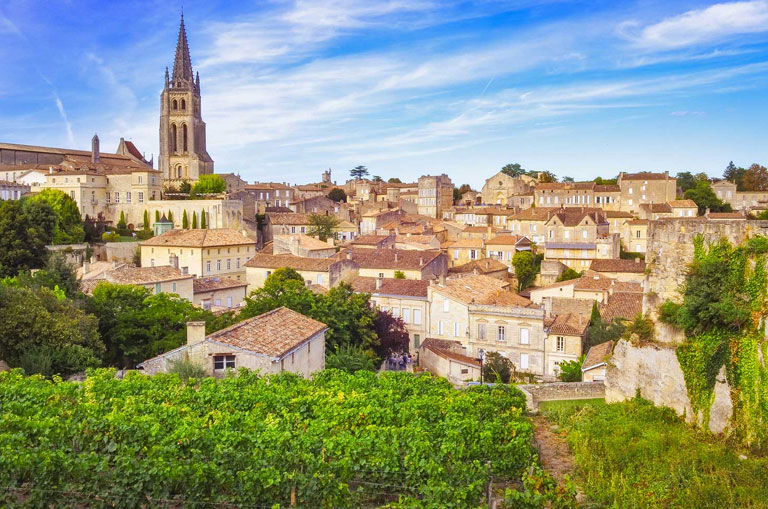
- Saint-Émilion, Pomerol, Fronsac Wine Route: The Saint-Émilion wine route is renowned for its wines and for the village of Saint-Émilion itself, dominating the Dordogne valley from its hilltop position. However, whilst the village of Saint-Émilion is the jewel in the crown, the busy market town of Libourne is the hub. To the west of Libourne lies the AOC Appellations of Graves de Vayres, Fronsac and Canon-Fronsac. Then there is Pomerol, which, although noted for its fine wines, does not figure in the classifications and Lalande de Pomerol, which covers only two communes – Lalande de Pomerol itself, Néac. Finally, to the west of Libourne lies the AOC Appellations of Castillon Côtes de Bordeaux, Francs Côtes de Bordeaux and Sainte-Foy-Bordeaux. Saint-Émilion lies at the heart of the region – with AOC Appellations of St Emilion and St. Emilion Grand Cru and the satellite appellations of St. Georges St. Emilion, Montagne St. Emilion, Puisseguin St. Emilion and Lussac St. Emilion. On the Saint-Émilion, Pomerol and Fronsac Wine Trail, you can find properties that produce Bordeaux, Bordeaux Supérieur and Entre-Deux-Mers. Saint-Émilion is also home to the Jurade – a wine brotherhood created in 1199 and which is now in charge of promoting the region’s wines worldwide.
- Entre-Deux-Mers Wine Route: Locally known as very welcoming, many wineries from this region are family owned and very welcoming to visitors. Entre-Deux-Mers takes its name from its location – the region nestled between the Garonne and the Dordogne rivers and lies south and east of Bordeaux. The Entre-Deux-Mers region is traditionally known for its dry white wines; Bordeaux Supérieur, Bordeaux, Entre-Deux-Mers-Haut-Benauge, Côtes-de-Bordeaux-Saint-Macaire, Graves-de-Vayres it’s semi-sweet; Bordeaux Moelleux, Bordeaux-Haut-Benauge, ôtes-de-Bordeaux-Saint-Macaire, Premières Côtes de Bordeaux, Sainte-Foy-Bordeaux and sweet wines Sainte-Foy-Bordeaux, Sainte-Croix-du-Mont, Cadillac, Loupiac. Many of the chateaux in Entre-deux-Mers are as impressive as those in the Medoc or Saint-Émilion.
- Graves and Sauternes Wine Route: Larger than the Medoc but producing half the amount of wine, Graves and Sauternes wine route forged a reputation for claret with trade dating back to the marriage of Eleanor d’Aquitaine and the English king in the 12C. Wine production in the region, which stretches from the Garonne’s left bank to the Les Landes’s forest, dates back to the Ist century. Today, the Graves and Sauternes wine route has six great appellations: Graves, Graves Supérieures, Pessac-Léognanv, Barsac, Sauternes and Cérons. The name of this wine route comes from the region’s gravelly, pebbly soil, which is perfect for grape growing.
- Blaye and Bourg Wine Route: The Blaye and Bourg Wine Trail will introduce you to the region’s appellations, each proud of their wines and rich heritage: Blaye, Côtes de Bordeaux, Côtes-de-Bourg, Bordeaux and Bordeaux Supérieur. Blaye alone has 450 wine properties over 6000 acres which welcome visitors to try their wines and explore the region. Inspired by the Cité du Vin downriver in Bordeaux, Bourg is amidst a wine tourism renaissance. The winegrowers in both regions have a reputation for being family-friendly – most of the wineries are family-owned, and the winemakers run the wine tours and wine tastings. As a result, it is a wonderful region to explore and learn about wine and how it is made.
Bordeaux Wine Traditions
Bordeaux has a long and rich winemaking tradition that dates back to Roman times. The region’s winemaking practices have been refined over centuries and are based on a deep understanding of the unique terroir and microclimate of the region. Bordeaux wines are renowned for their complexity, balance, and elegance and are often aged for several years before being released to the market. The winemaking process in Bordeaux is highly regulated, and the region has several appellations that define the specific grapes, winemaking techniques, and ageing requirements for each wine.
Exploring the Wine Trails of Bordeaux
Exploring the wine trails of Bordeaux is a great way to experience the region’s rich wine culture. Several wine trails throughout the region offer a unique perspective on Bordeaux’s winemaking heritage.
Bordeaux Wine Tours and Experiences
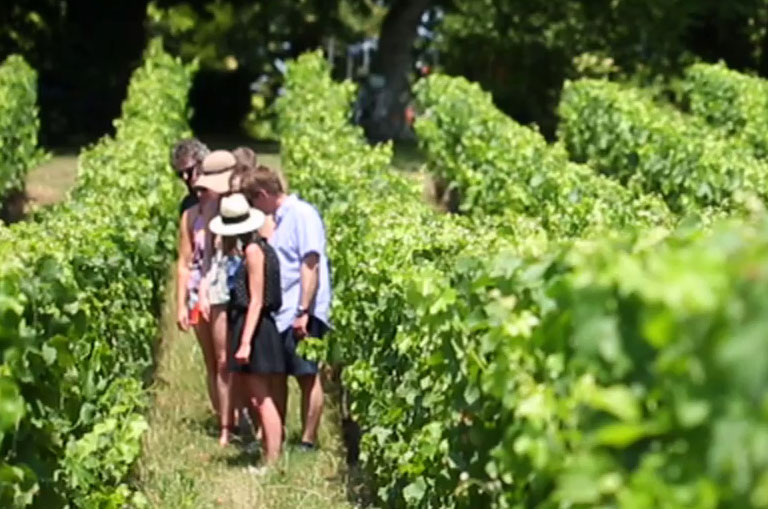
There are many wine tours and experiences in Bordeaux, from guided tours of famous vineyards to tasting sessions and workshops. Many wineries offer guided tours of their vineyards and cellars, allowing visitors to learn about the region’s unique terroir, grape varieties, and winemaking techniques. There are also wine tastings and pairing sessions that allow visitors to sample some of the region’s best wines and learn about wine-tasting and pairing principles.
Bordeaux Vineyards and Cellars to Visit
Bordeaux is home to some of the world’s most famous vineyards and cellars, and there are many to choose from. Some of the most popular vineyards to visit include Château Margaux, Château Mouton Rothschild, and Château Lafite Rothschild. Many smaller, family-owned wineries offer unique insights into the region’s winemaking practices. In addition to vineyards, many cellars in the region offer wine tastings and tours, such as the Cité du Vin museum, which is dedicated to the history and culture of wine.
Pairing Bordeaux Wines with Regional Cuisine
Bordeaux wines are best paired with regional cuisine, and many local dishes complement the wines perfectly. Some popular dishes include confit de canard, entrecôte bordelaise, and oysters from the nearby Arcachon Bay. Bordeaux is also famous for its cheeses, such as Roquefort and Comté, which pair well with the region’s full-bodied red wines. Many regional restaurants offer tasting menus that feature local dishes paired with the region’s best wines, allowing visitors to experience the full flavour of Bordeaux.
Visiting the Bordeaux Vineyards
In conclusion, visiting the Bordeaux region is a must for any wine lover. With its picturesque vineyards, charming villages, and world-renowned wines, it is a destination that should be on every wine enthusiast’s bucket list. From exploring the wine trails and visiting vineyards and cellars to experiencing the region’s gastronomy and learning about its winemaking traditions, there is something for everyone in Bordeaux. Whether you’re a seasoned wine connoisseur or a casual wine enthusiast, the Bordeaux region offers an unforgettable wine experience you won’t miss. With its rich history and tradition, the Bordeaux region is a testament to the art and science of winemaking and continues to produce some of the most sought-after wines worldwide.