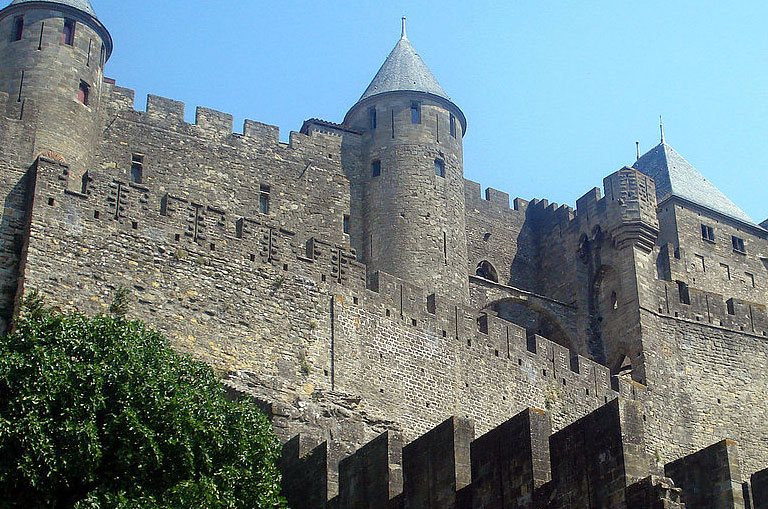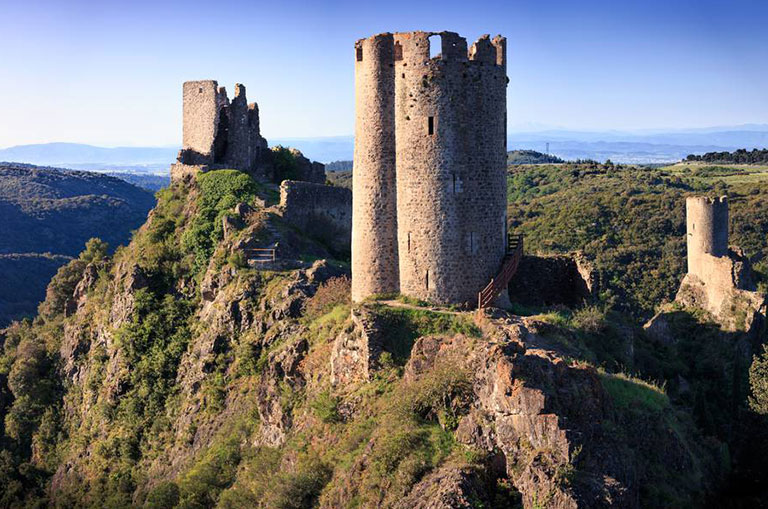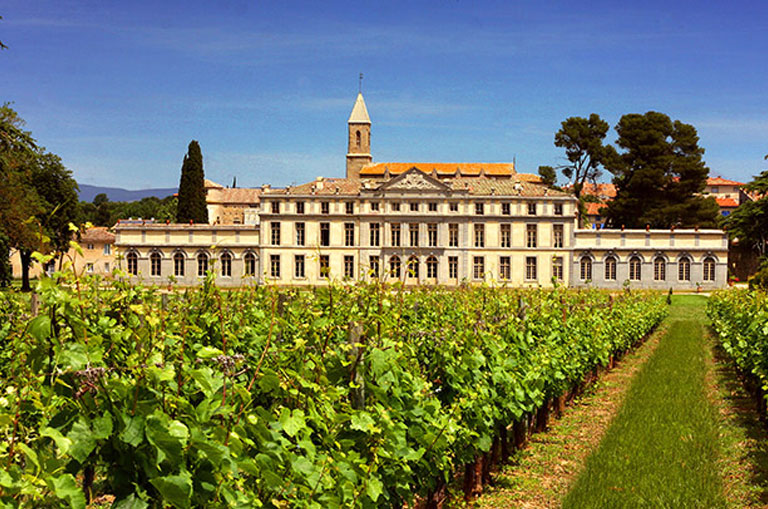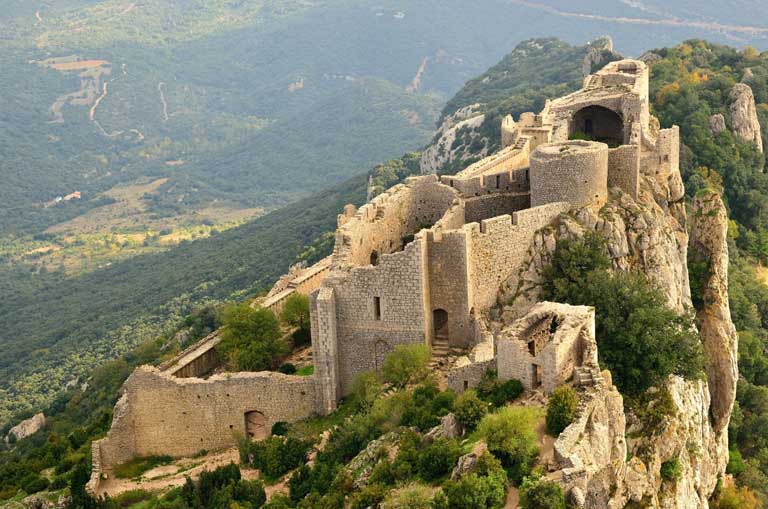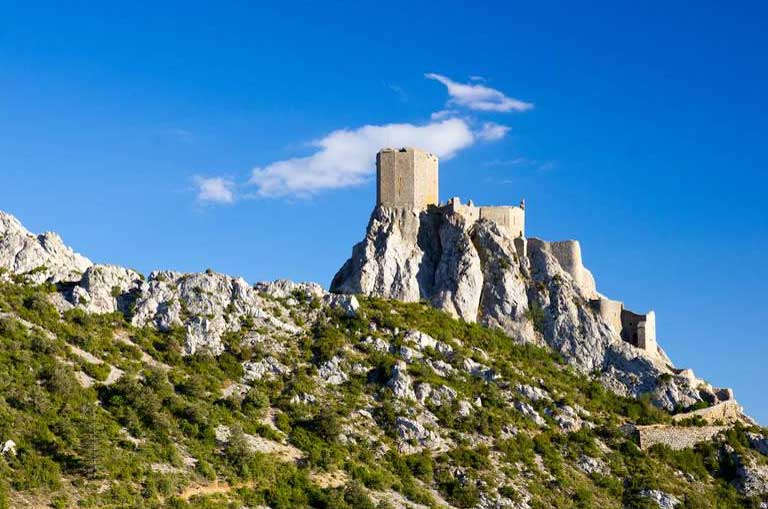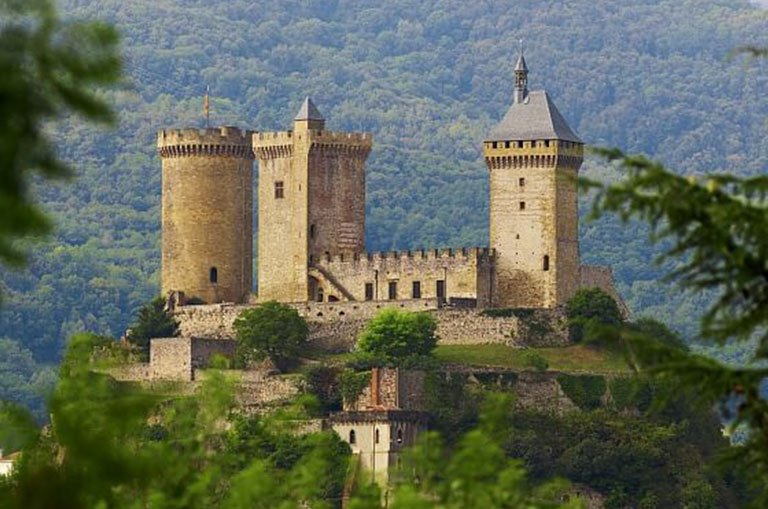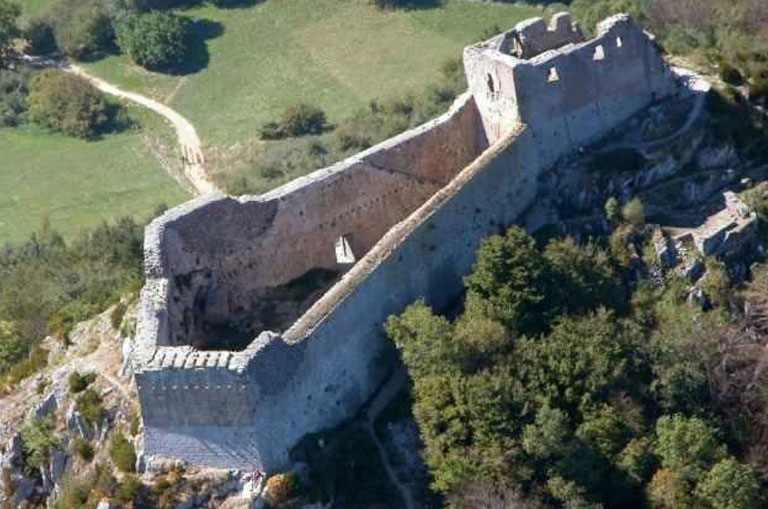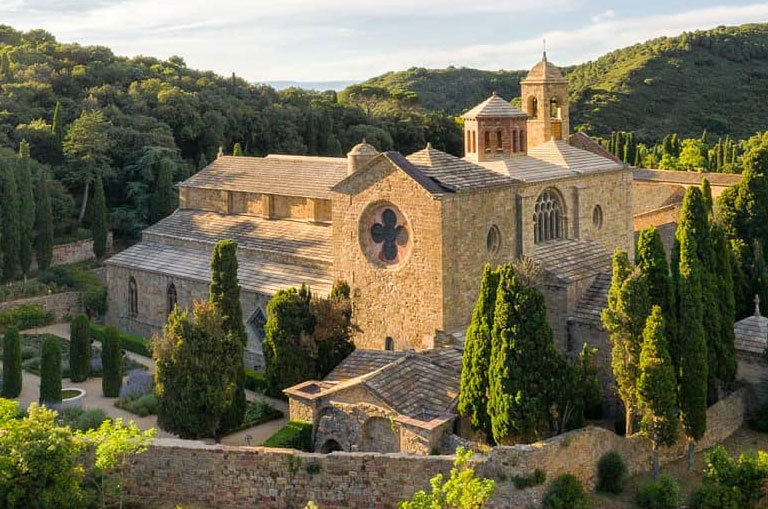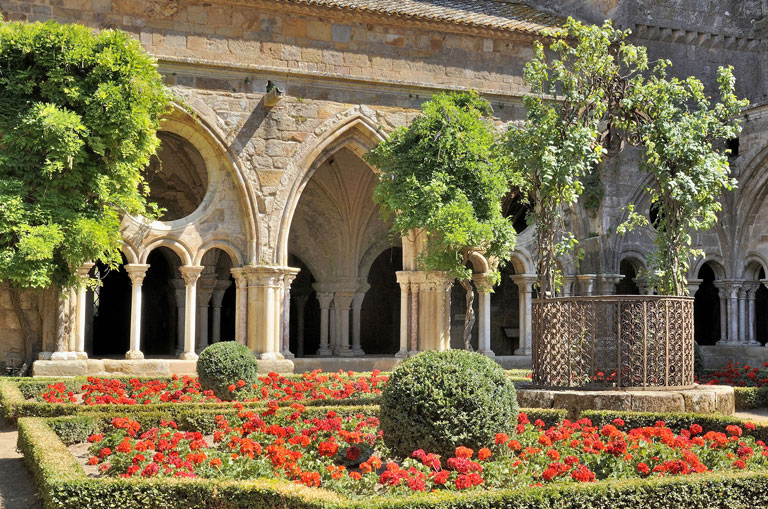
Château de Saissac is a magnificent castle located in the Aude department of France, surrounded by stunning views of the rolling hills and lush greenery of the surrounding countryside.
This stunning fortress has stood for centuries and is now a popular tourist destination for those looking to explore the history and beauty of the region.
The castle, built in the 11th century, has undergone several renovations and expansions, each adding to its charm and character. Visitors can explore the castle’s well-preserved walls, towers, and courtyards and imagine what life was like for those who lived there in the centuries past.
One of the highlights of a visit to Château de Saissac is the stunning view from the castle ramparts, which offers a panoramic vista of the surrounding countryside. Here, visitors can take in the breathtaking scenery and imagine the battles that may have been fought on this spot.
Historical Highlights
The castle was originally built as a fortress during the Middle Ages and served as a strategic stronghold for the surrounding area. Over the centuries, it underwent several renovations and expansions, including the addition of fortifications to protect against invading forces.
At the time of the Albigensian Crusade in 1229, the lord of Saissac, Bertrand de Saissac, himself a Cathar, was the tutor of Raymond Roger de Trencavel. They were subjugated and stripped of their titles. Bouchard de Marly ordered the seizing of the castle and its goods; it was only after 1234 that Lambert de Thursey, another companion of Montfort, restored the castle.
Throughout its history, Château de Saissac has played a significant role in the events and conflicts of the region. During the Hundred Years’ War, the castle was occupied by English forces and later used as a base of operations by the French army during the Wars of Religion. Despite these challenges, the castle has remained standing for centuries and has been well-preserved, allowing visitors to get a glimpse into the past and imagine what life was like for those who lived there.
Places of Interest
In addition to its historical significance, Château de Saissac also offers visitors a range of modern amenities and activities. For example, a picnic area, a playground for children, and a small museum dedicated to the castle’s history and region.
- Lanpy Dam: In 1782, the Lampy dam was completed, designed to increase the water supply from the Canal du Midi to link the Canal de la Robine to Narbonne. This dam gave rise to the Lampy lake – a bathing spot and hiking area in the heart of the Montagne Noire. The small, monitored beach, with kayaks and paddle boats doing laps of the lake, is a peaceful spot, even in the high summer, and a majestic natural site where the waves, caused by the breeze or a rower, lap against the shore.
- The Dure Valley: The Dure is one of the biggest rivers in the Montagne Noire. Today, it is a popular habitat for birds of prey, including the Eurasian eagle-owl, the booted eagle and even the short-toed snake eagle. However, during the 18th and 19th centuries, the Montagne Noire was a heavy industrial milling area, and some of the old millstones are still visible on some of the forest walks.
- Saissac Village: Saissac is bordered by magnificent forests of oak, beech and conifer trees. Located next to the village, the arboretum is popular with families, with its streams, waterfalls and botanical trail, waterways, sports facilities and play areas.
Whether you’re a history buff, a lover of breathtaking views, or simply looking for a fun and educational day out with family, Château de Saissac is sure to captivate and enthral. So why not plan a visit to this magnificent castle today and step back in time to explore one of France’s most fascinating and beautiful historic landmarks?