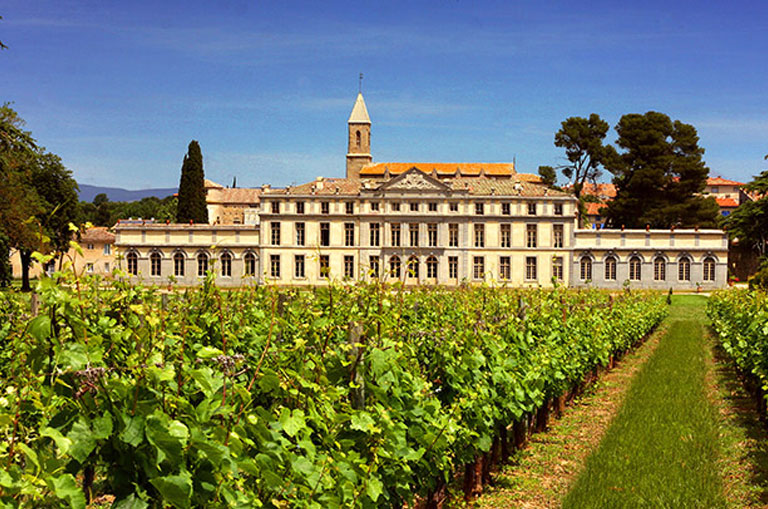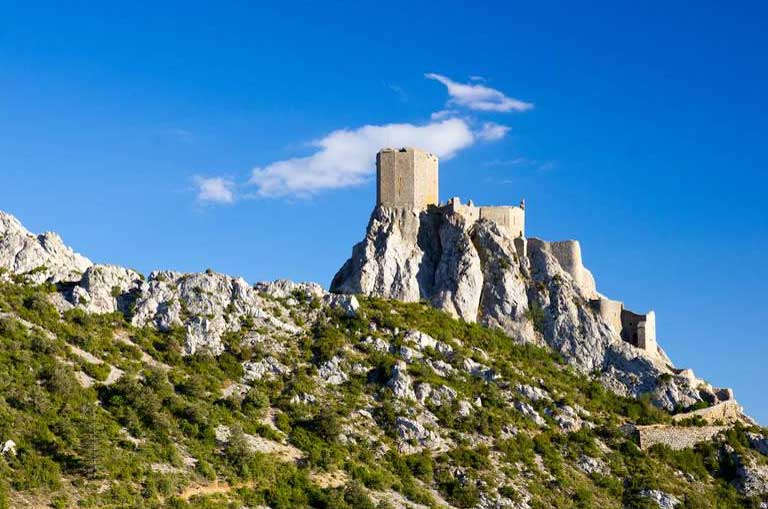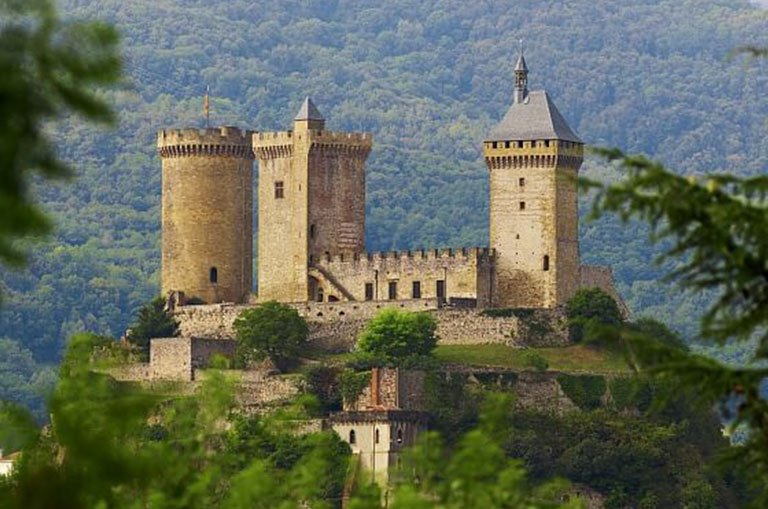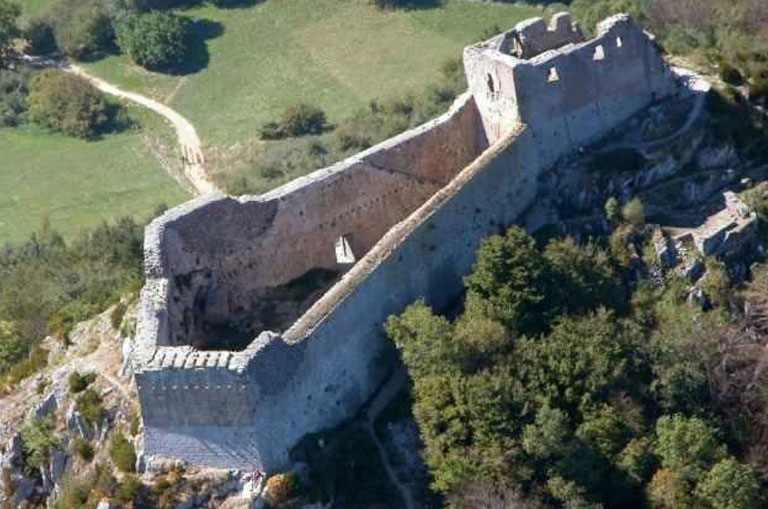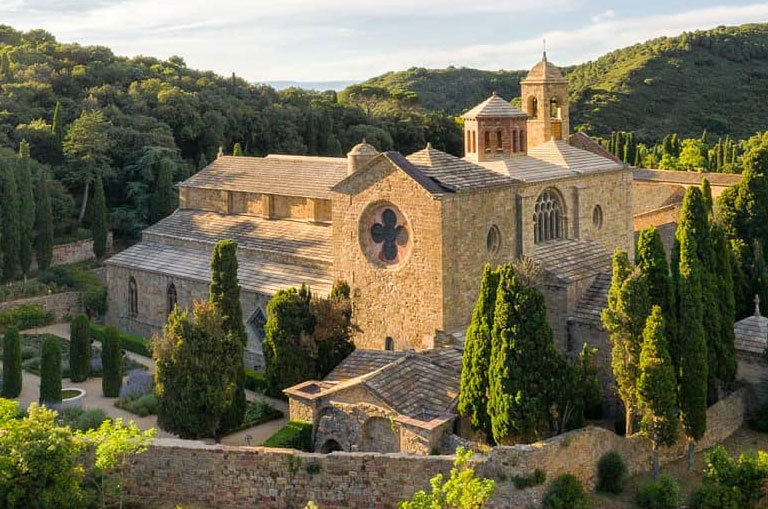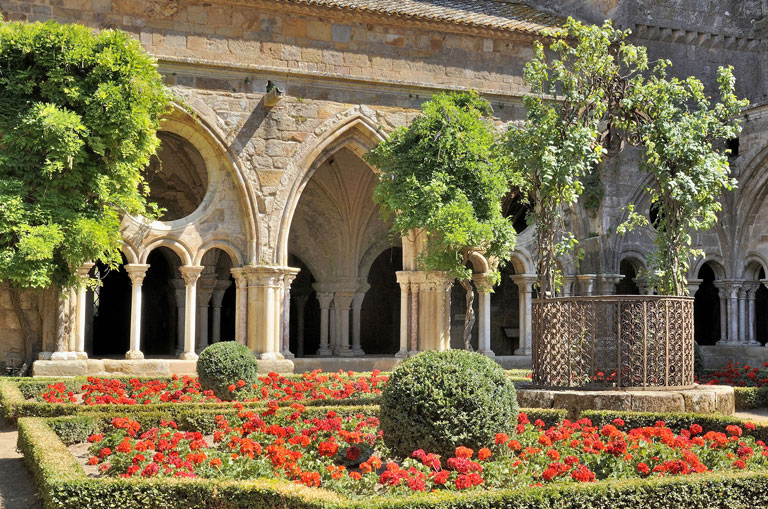
Saint Papoul Abbey is a remarkable architectural gem in the Aude Department of France. The abbey is situated on a hill overlooking the picturesque town of Saint-Papoul, providing visitors with breathtaking views of the surrounding countryside.
Founded in the 11th century, Saint Papoul Abbey has a rich history and has been a significant cultural and religious site for over 900 years. The abbey’s Romanesque-style architecture is a testament to the remarkable skill of the medieval masons and sculptors who built it. The abbey’s façade, in particular, is notable for its intricate carvings and sculptures, including a depiction of the Last Judgment, considered one of the finest examples of Romanesque art in France.
Visitors will find a peaceful and serene atmosphere inside the abbey, enhanced by the beautiful stained-glass windows and high vaulted ceilings. The abbey’s well-preserved frescoes, dating back to the 12th century, are a highlight of any visit. The abbey’s impressive cloister is also worth a visit, with its tranquil garden and peaceful arches providing a peaceful escape from the outside world.
In recent years, Saint Papoul Abbey has undergone extensive renovations to preserve its rich cultural heritage for future generations. Visitors can now explore the abbey and learn about its history through interactive exhibits and guided tours. The abbey is also home to a small museum, showcasing a range of artefacts and exhibits related to the abbey’s history and cultural significance.
Historical Highlights
Saint Papoul Abbey is a former Benedictine abbey in the Aude Department of France. It is believed to have been founded in the 9th century by monks from the nearby abbey of Saint-Hilaire in the city of Carcassonne. Throughout history, the abbey played an important role in the region as a centre of worship, learning, and agriculture. In the 11th century, the abbey was extensively rebuilt and expanded, and its monastic community grew in size and influence.
In the 12th and 13th centuries, the abbey was renowned for its scriptorium and library, which housed some of the most important illuminated manuscripts of the time. During this period, the abbey was also a major pilgrimage centre, attracting visitors from far and wide to its shrine of Saint Papoul, a revered local saint. However, the abbey’s prosperity was to last for a while. In the 14th and 15th centuries, it was sacked and burned several times during the Hundred Years’ War, and much of its wealth and treasures were lost.
Despite these setbacks, the abbey survived, and in the 17th and 18th centuries, it underwent reconstruction and renovation. During the French Revolution, the abbey was suppressed, and its properties were sold off. In the 19th century, the abbey’s buildings were used as barracks and later as a prison. Today, the ruins of Saint Papoul Abbey are a popular tourist attraction and a reminder of the region’s rich cultural heritage.
Places of Interest
- Canal du Midi: Inscribed on the UNESCO World Heritage list, the 241 km Canal du Midi connects Toulouse to the Mediterranean, as it has done since the 17th century. The easiest and most pleasant way to explore the canal and the beautiful regions it crosses is to take to the water on a canal boat.
- Castelnaudary: Castelnaudary is a town famous for cassoulet and its lake, the Grand Bassin, a popular mooring place for people travelling along the Canal du Midi. But Castelnaudary deserves more than a quick stopover as it conceals a host of other riches and surprises. Castelnaudary has a rich history dating back to the Roman era and has served as a strategic site for military and commercial activities. Today, the town is a popular tourist destination, offering a mix of historical landmarks, beautiful landscapes, and delicious cuisine, making it a must-visit destination for those exploring the region.
Whether you are a history buff, an architecture aficionado, or simply seeking a peaceful escape from the hustle and bustle of daily life, Saint Papoul Abbey is an unforgettable destination. Visitors can easily reach the abbey by car, train, or bus, and ample parking is available for those travelling by car. So why not make a trip to this fascinating and historic site today?