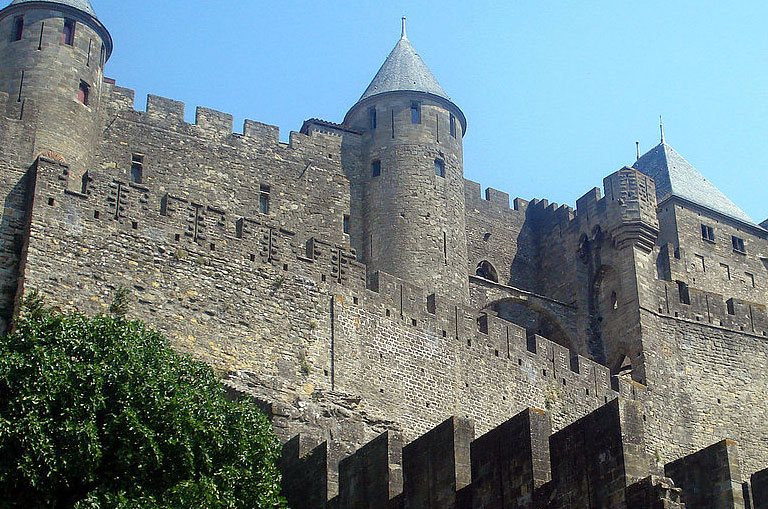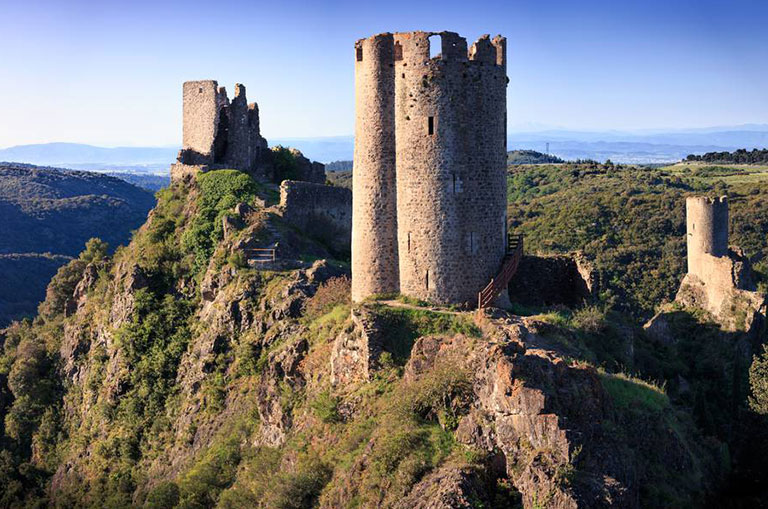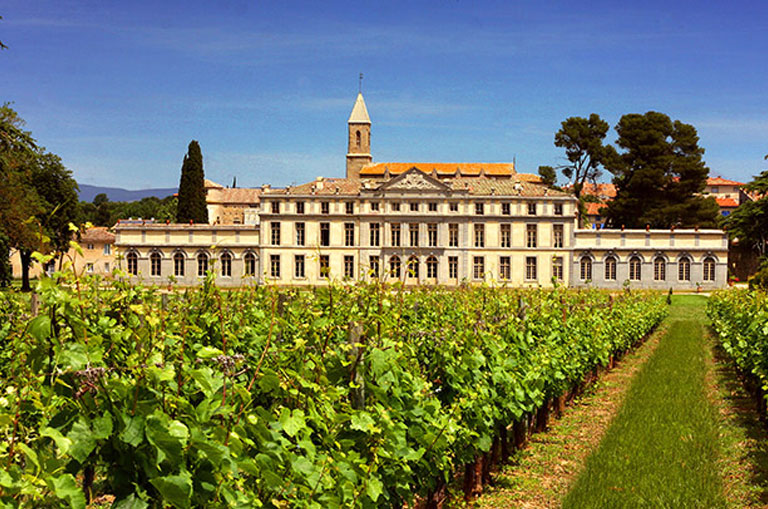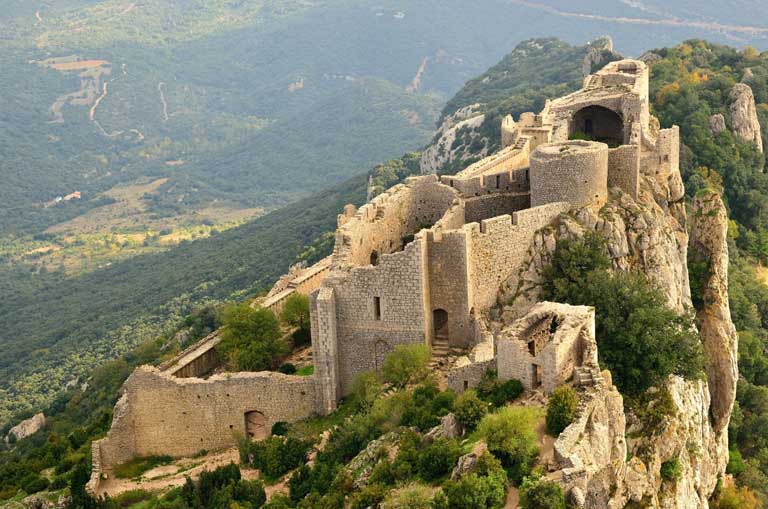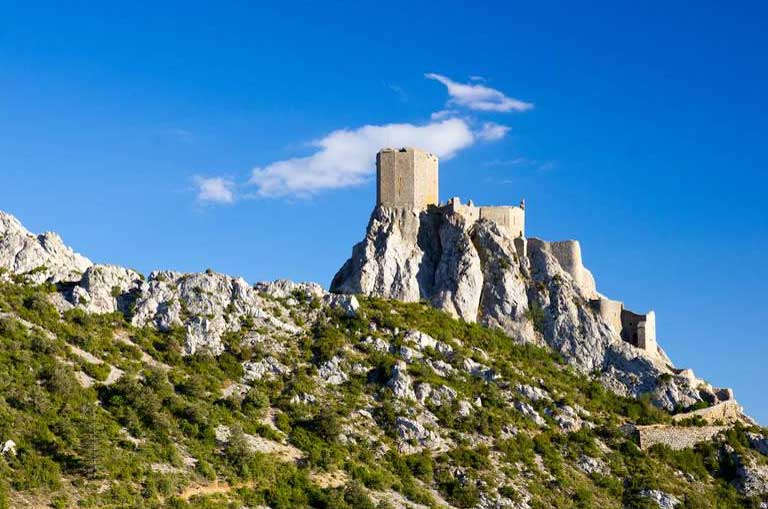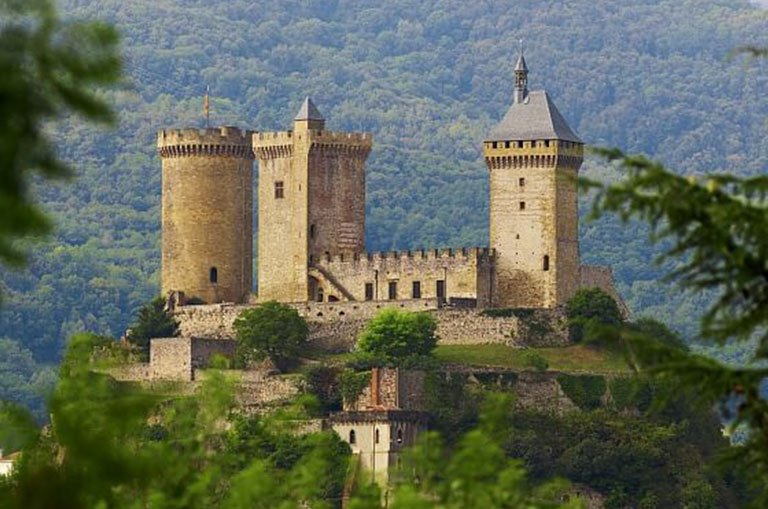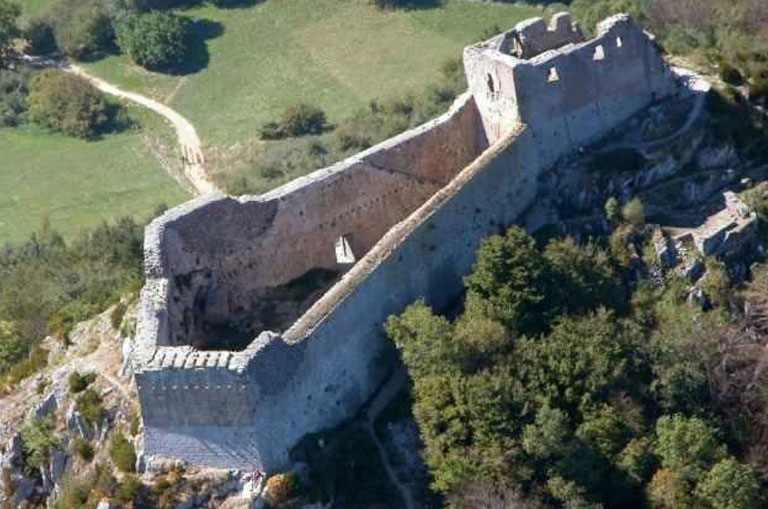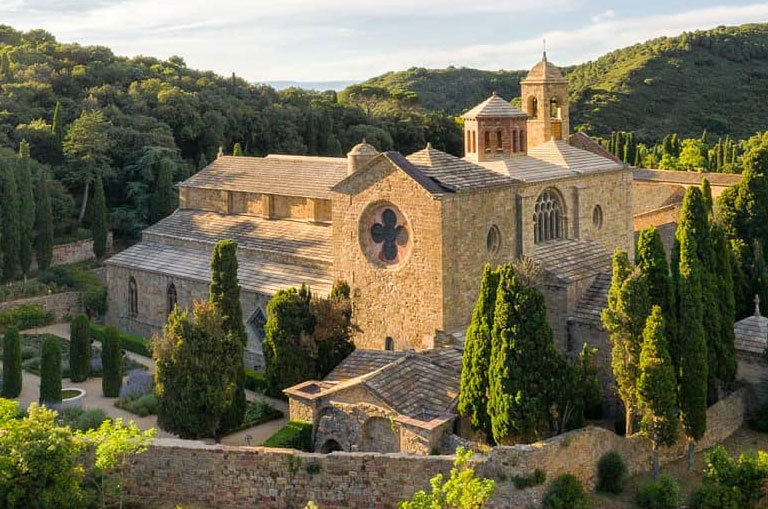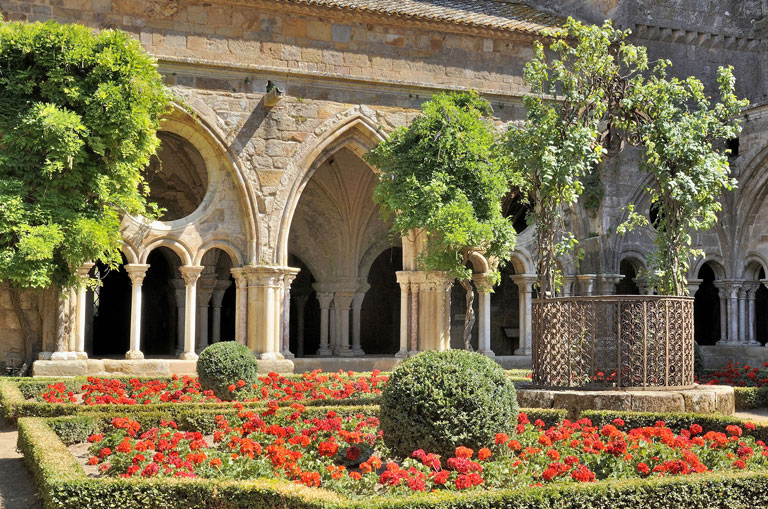
Château d’Arques, located in the Aude department of France, is a medieval castle that offers visitors a glimpse into the country’s rich history. The castle, which dates back to the 11th century, sits atop a hill overlooking the small village of Arques.
The castle’s most striking feature is its impressive keep with its four tall corner towers, which stand over 50 feet tall. Visitors can also explore the chapel, which dates back to the 12th century and is one of the oldest parts of the castle and features beautiful frescoes and stained glass windows.
The castle is also home to a small museum showcasing the castle’s history and the village of Arques. The museum features artefacts and exhibits on the castle’s history and the daily life of its inhabitants.
Historical Highlights
In the early 11th century, the castrum of Arques belonged to the Abbey of Lagrasse. At some time during the next hundred years, it passed into the hands of the Seigneurs of Termes. The Crusaders passed this way from their successful siege of Coustaussa, Rhaeda (modern Rennes-le-Château), and Le Bézu without a fight.
After the Crusades against the Cathars, and the fall of Termes, Arques was given to one of Simon de Montfort’s lieutenants, Pierre de Voisins. Oliver de Termes reclaimed it in 1246 following his surrender to the French Crusaders but then sold it back to Pierre de Voisins.
In 1575, the castle was besieged by Protestants, and only the keep managed to resist the assault. By the start of the French Revolution, the castle had fallen into ruin and was sold as a national asset, during which time it suffered severe damage. Today The castle is owned partly by the commune and partly privately. It has been listed since 1887 as a monument historique by the French Ministry of Culture.
Nearby Trails & Places of Interest
- Village of Arques: Arques is a charming, peaceful place to visit, with a few restaurants and bistros. It is also a great base for exploring the surrounding countryside and the Cathar castles of the Aude region.
- Déodat Roché’s House: Déodat Roché was one of the first intellectuals to research Catharism. This singular figure gave him a personal vision of Catharism, which he developed into a considerable work. A permanent exhibition devoted to Catharism and its interpretations by Déodat Roché is now open in Arques to explore.
- Rennes-le-Chateau: Rheda was an important site during the High Middle Ages, which gave its name to the surrounding country, the Razès. Hanging on its rounded pech, facing Bugarach and the Pyrenees, Rennes le Château appears from afar like a cut-out paper silhouette. A small pass leads to the village car park, where an incredible landscape of successive mountains and valleys awaits the visitor. Yet it is not the beauty of this marvellous spectacle nor even the charm of these typical little streets that attract 120,000 visitors each year. No, it’s an extravagant mystery, that of Abbé Saunière’s fortune. A hidden treasure? A pact with the devil? It’s up to you to carry on the investigation.
- Rennes-les-Bains: Rennes-les-Bains has been known since the time of the Gallo-Romans for the exploitation of thermal waters. Numerous archaeological excavations have revealed the importance of these baths during Antiquity. The region around Rennes-les-Bains is also rich in unusual natural or historical sites steeped in mystery and legend, such as the Fountain of Love, the famous Pech de Bugarach, or the no less famous village of Rennes-le-Château.
- Haute Vallée de l’Aude: In the heart of the Haute Vallée de l’Aude, bathed by the Sals river, it is a magnificent starting point for hikes and offers beautiful angling spots in the streams and torrents of the surrounding waters.
Château d’Arques is open to visitors all year round. Guided tours of the castle are available in French, English, and Spanish. The castle is also a popular venue for special events such as weddings and corporate events.