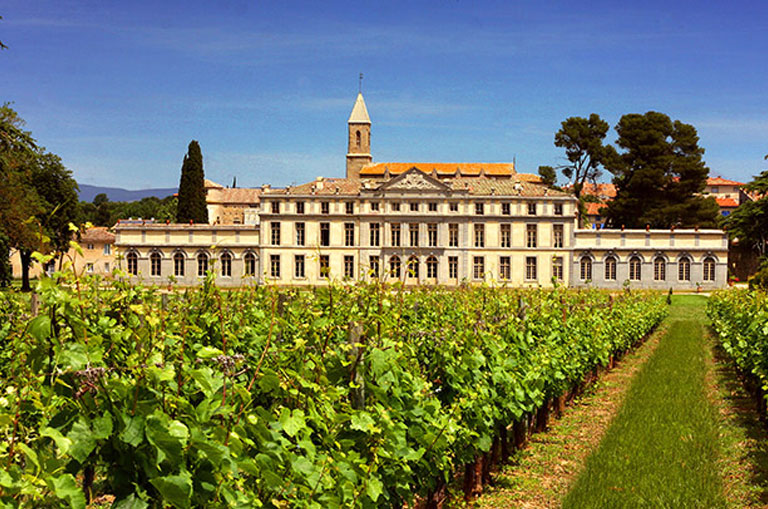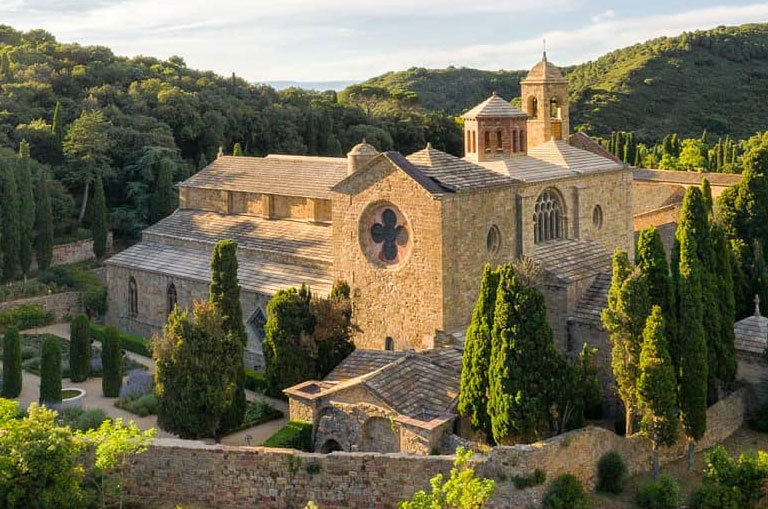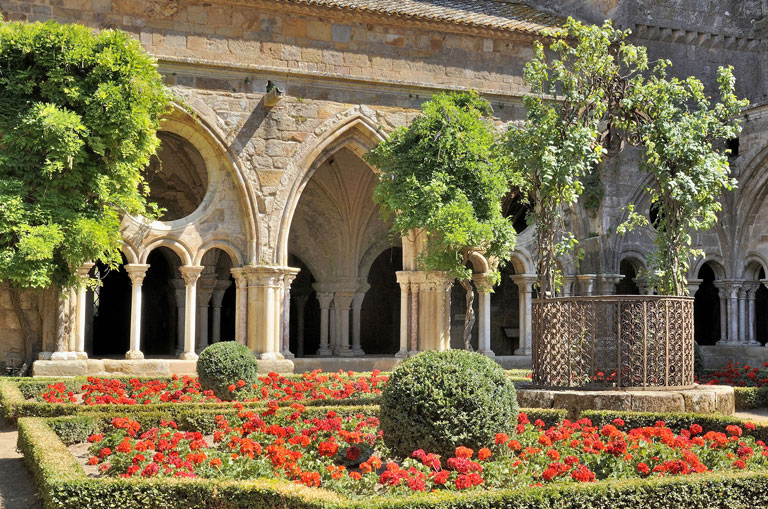
Alet-les-Bains Abbey is a beautiful medieval abbey located in the heart of the French Pyrenees. Founded in the 9th century, the abbey has a rich history and is a popular tourist destination for those interested in architecture, art, and religious history.
The abbey’s main attraction is its Romanesque church, which features intricate carvings and frescoes. The church’s highlight is the 12th century rose window, which is considered one of the most beautiful examples of Romanesque art in the region. Visitors can also explore the cloisters, which feature intricate stone carvings and sculptures.
In addition to the church and cloisters, the abbey also has a museum that displays a collection of artifacts and artworks from the abbey’s history. The museum also has an interactive exhibit that allows visitors to learn about the daily life of the monks who once lived at the abbey.
The abbey is located in the small town of Alet-les-Bains, which is a charming and peaceful place to explore. Visitors can take a stroll through the town’s narrow streets and admire the quaint houses and shops. There is also a small market square where visitors can sample local foods and crafts.
Historical Highlights
At the end of the 10th century, the abbey of Alet belonged like Saint-Hilaire to the congregation of Saint-Michel de Cuxa and was under the sphere of influence of the counts of Carcassonne. After a period of prosperity during the 12th century, the monastery experienced difficulties due to the poor management of certain abbots and the consequences of the Crusade against the Albigensians. In 1318, Alet became the seat of a new bishopric, and the Romanesque abbey was transformed into a Gothic cathedral.
During the Wars of Religion, several times besieged, the city sometimes passed into the hands of the Catholics and sometimes the Protestants. The damage was so extensive that the cathedral was abandoned in favour of a temporary church, which nevertheless became the new cathedral. It was only during the visit of Prosper Mérimée in the 19th century that an action to save the old abbey was considered.
Nearby Trails & Places of Interest
- Chapel of Saint Salvayre: Saint Salvayre is a 17th-century hamlet located 700 m above sea level, overlooking Alet. The chapel features a set of Romanesque sculptures from the 12th-century abbey. On this grazing plateau, an extraordinary view encompasses the Aude valley and the Pyrenees. It is also a famous place for climbing and is an area of natural interest, including the Lavalette caves. These three caves have probably been occupied since the end of the Neolithic era, with numerous artefacts uncovered there. It also served as a refuge for the inhabitants of Alet, who could hide there during the Wars of Religion. Today, it is a precious refuge for rare bats.
- The Roman Road: The roman road starts behind the swimming pool, and the route follows the Aude as far as Limoux. It is a section of the old Roman road which linked the Aude valley to the Pyrenees during the summers. You can easily take it and enjoy breathtaking views of the river, its bursts, its reliefs and the canoes and kayaks that descend its course during the summer.
If you are interested in history, architecture, and art, Alet-les-Bains Abbey is definitely worth a visit. The abbey is open year-round, and guided tours are available in several languages. Visitors can also explore the abbey on their own with the help of an audio guide.