
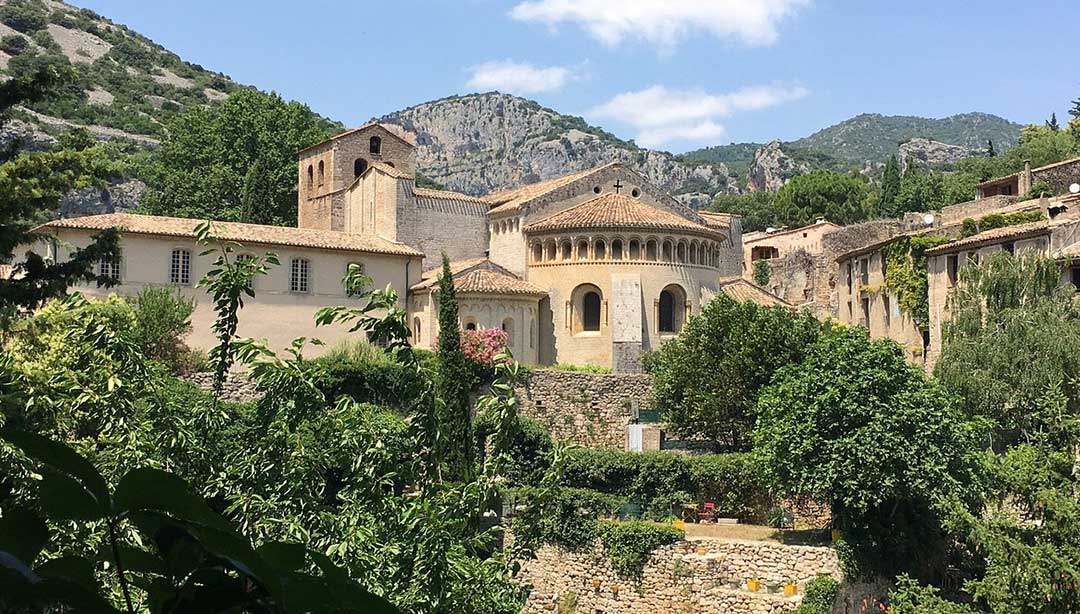
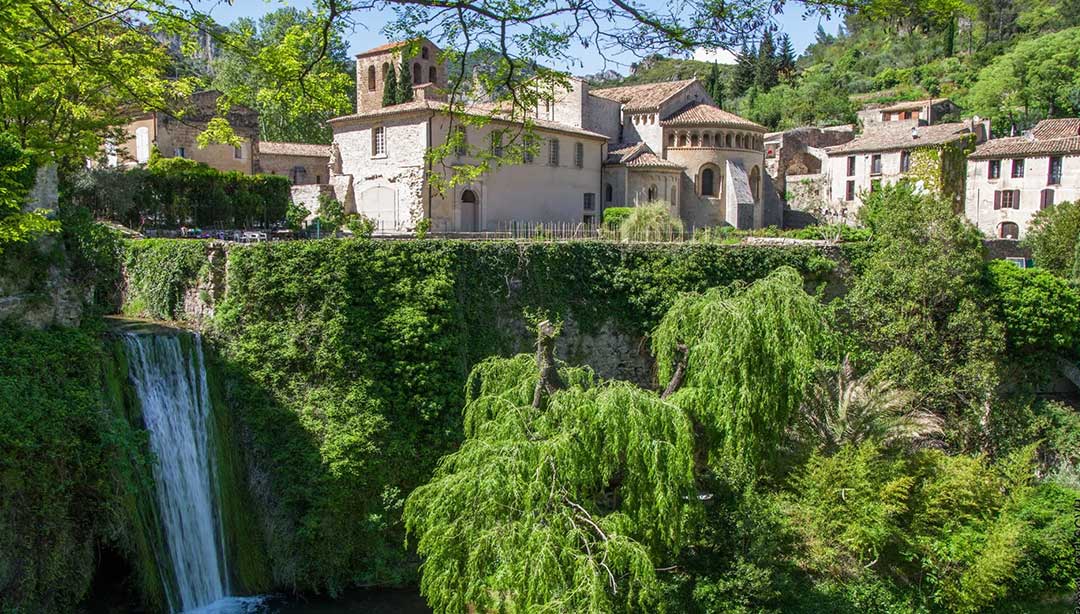
Nestled in the spectacular Gorges de l’Hérault, Saint-Guilhem-le-Désert is one of France’s most enchanting medieval villages. Surrounded by limestone cliffs, lush forests and crystal-clear rivers, this charming destination offers visitors a perfect blend of history, natural beauty and authentic southern French culture.
Recognised as one of Les Plus Beaux Villages de France (The Most Beautiful Villages of France), Saint-Guilhem-le-Désert captivates travellers with its cobbled streets, ancient stone houses, shaded squares and impressive abbey. Whether you’re planning a day trip from Montpellier or a longer holiday in Occitanie, this picturesque village promises an unforgettable experience.
A Perfect Destination – Why Visit Saint-Guilhem-le-Désert?
Saint-Guilhem-le-Désert is the ideal destination for history enthusiasts, nature lovers, photographers and anyone looking to experience authentic rural France.
The village offers a peaceful atmosphere where visitors can wander through narrow medieval lanes lined with artisan shops, cafés and traditional stone buildings. The surrounding landscapes provide endless opportunities for hiking, swimming, canoeing and exploring dramatic natural scenery.
Its unique combination of cultural heritage and outdoor adventure makes Saint-Guilhem-le-Désert one of the highlights of the Hérault region.
The Rich History of Saint-Guilhem-le-Désert
The village dates back to the early 9th century when William of Gellone, a cousin of Charlemagne and a celebrated military leader, founded the Abbey of Gellone after retiring from public life.
Over the centuries, the abbey became an important stop for pilgrims travelling along the Camino de Santiago (Way of St. James). Today, the abbey forms part of the UNESCO World Heritage routes associated with the famous pilgrimage.
As the village grew around the monastery, its medieval character remained remarkably well preserved. Walking through Saint-Guilhem-le-Désert today feels like stepping back in time, with centuries-old architecture carefully maintained throughout the village.
How to Get to Saint-Guilhem-le-Désert
Saint-Guilhem-le-Désert is located approximately 40 kilometres northwest of Montpellier in the Occitanie region.
By Car
Driving is the easiest option, taking around 45 minutes from Montpellier via the D32 and D4 roads. Parking is available on the outskirts of the village, with the centre reserved primarily for pedestrians.
By Public Transport
Regular buses operate from Montpellier during much of the year, making the village accessible for visitors without a car. During the summer months, additional services are often available.
By Air
The nearest airport is Montpellier-Méditerranée Airport, offering domestic and international flights. Car hire is recommended for exploring the surrounding region.
Top Attractions in Saint-Guilhem-le-Désert
Saint-Guilhem-le-Désert is filled with remarkable sights that showcase its rich history, natural beauty, and timeless charm. From its world-renowned abbey and atmospheric medieval streets to lively village squares and breathtaking nearby landscapes, each attraction offers a unique glimpse into what makes this destination so special. Whether you’re exploring ancient architecture, relaxing in shaded cafés, crossing historic bridges, or setting out on scenic hikes through dramatic limestone scenery, the village and its surroundings promise an unforgettable experience at every turn.
Abbey of Gellone
The Abbey of Gellone is the spiritual and historical heart of Saint-Guilhem-le-Désert and one of the finest examples of Romanesque architecture in southern France. Founded in the early 9th century by William of Gellone, a close companion of Charlemagne, the abbey became an important stop for pilgrims travelling along the Way of St. James to Santiago de Compostela. Visitors can explore the serene cloister with its elegant stone columns, admire the simple yet beautiful abbey church, and discover centuries of religious history that have shaped the village. The peaceful atmosphere and remarkable architecture make it the village’s most iconic attraction.
Place de la Liberté
Place de la Liberté is the lively centre of village life and a wonderful place to pause while exploring Saint-Guilhem-le-Désert. Dominated by a magnificent centuries-old plane tree whose branches provide welcome shade, the square is lined with cafés, restaurants and small shops housed within historic stone buildings. Whether enjoying a leisurely coffee, sampling regional cuisine or simply watching daily life unfold, visitors can fully appreciate the relaxed pace and timeless charm of this beautifully preserved medieval setting.
Medieval Streets
Exploring the narrow medieval streets of Saint-Guilhem-le-Désert is one of the village’s greatest pleasures. Winding lanes paved with ancient stone lead visitors past beautifully preserved houses adorned with colourful shutters, climbing vines and flower-filled window boxes. Along the way, artisan workshops, local craft boutiques and inviting galleries showcase handmade products inspired by the region. Hidden courtyards, quiet alleyways and picturesque corners reveal themselves at every turn, creating countless opportunities for photography and allowing visitors to experience the authentic character of one of France’s most beautiful villages.
Devil’s Bridge (Pont du Diable)
A short distance from the village stands the remarkable Devil’s Bridge (Pont du Diable), one of the oldest surviving medieval bridges in France. Constructed in the early 11th century, the bridge spans the Hérault River and has played an important role in connecting travellers and pilgrims for nearly a thousand years. According to local legend, the bridge earned its dramatic name after the devil attempted to prevent its construction. Today, visitors can admire its impressive architecture before descending to the crystal-clear waters of the Hérault, where swimming, picnicking and relaxing on the riverbank are popular activities during the warm summer months.
Cirque de l’Infernet
Surrounding Saint-Guilhem-le-Désert, the dramatic limestone cliffs and deep valleys of the Cirque de l’Infernet provide some of the region’s most spectacular natural scenery. A network of walking paths climbs through fragrant Mediterranean woodland, passing rugged rock formations and offering breathtaking panoramic views over the village, the Hérault Valley and the surrounding countryside. The area is particularly rewarding for hikers and nature enthusiasts seeking peaceful landscapes, rich biodiversity and memorable viewpoints that showcase the beauty of southern France.
Hiking Trails
Saint-Guilhem-le-Désert is an excellent base for exploring the diverse landscapes of the surrounding Grand Site de France. Numerous well-marked hiking trails cater to all abilities, from gentle riverside walks to challenging climbs through rocky hills and forested valleys. Many routes form part of the famous pilgrimage path to Santiago de Compostela, allowing visitors to follow centuries-old trails while enjoying stunning scenery, historic landmarks and abundant wildlife. Whether seeking a short scenic stroll or a full day’s adventure, hikers will find plenty of opportunities to discover the region’s unique natural and cultural heritage.
Regional Cuisine in Saint-Guilhem-le-Désert
The Hérault region is known for its excellent Mediterranean cuisine, local wines, and fresh seasonal ingredients. Visitors should try regional specialities such as duck confit, grilled lamb from the surrounding countryside, fresh goat’s cheese, Mediterranean olives and tapenade, local charcuterie, honey produced in nearby villages, traditional pastries, and wines from the Terrasses du Larzac and Languedoc vineyards. Several family-run restaurants serve authentic regional dishes, while cafés around Place de la Liberté provide perfect spots for a leisurely lunch or afternoon refreshment.
Day Trips from Saint-Guilhem-le-Désert
Saint-Guilhem-le-Désert makes an excellent base for exploring the wider Hérault region, offering easy access to some of southern France’s most diverse and memorable day trips. From dramatic natural landscapes and hidden caves to historic villages and vibrant cities, the surrounding area is rich with places to discover. Whether you’re venturing into rugged limestone gorges, visiting charming artisan towns, or enjoying the cultural energy of nearby Montpellier, each excursion adds a new layer to the experience of staying in this remarkable corner of Occitanie.
Grotte de Clamouse: Discover one of southern France’s most spectacular limestone caves filled with remarkable crystal formations.
Saint-Jean-de-Fos:A charming pottery village famous for traditional ceramics and artisan workshops.
Lac du Salagou: An extraordinary lake surrounded by striking red volcanic landscapes, ideal for hiking, cycling and water sports.
Montpellier: Explore elegant squares, museums, shopping streets and vibrant cafés in one of southern France’s most attractive cities.
Cirque de Navacelles: A breathtaking natural amphitheatre recognised as one of France’s Grand Sites.
Best Time to Visit Saint-Guilhem-le-Désert
Spring (April to June) is one of the best times to visit, with mild temperatures, colourful wildflowers, and fewer crowds. Summer offers long, sunny days perfect for swimming and outdoor activities, although the village can become busy during peak holiday periods. Autumn brings comfortable weather, beautiful golden colours, and the opportunity to experience the local grape harvest. Winter is peaceful and atmospheric, making it an excellent choice for visitors seeking a quieter experience while still enjoying the village’s medieval charm.
Summary
Saint-Guilhem-le-Désert is one of southern France’s true hidden treasures. Combining medieval history, UNESCO heritage, breathtaking scenery and authentic French village life, it offers something for every traveller.
Whether you’re exploring ancient streets, hiking through dramatic limestone valleys, sampling local wines or simply relaxing beneath the shade of the village’s famous plane tree, Saint-Guilhem-le-Désert delivers an unforgettable experience that captures the timeless beauty of the Occitanie region.